Supermarket Supplements vs Specialist Brands: Independent Lab Test Results

Standing in the supplement aisle, you’re faced with a choice: pick up the £5.99 supermarket multivitamin or spend £24.99 on a specialist brand. The marketing sounds almost identical. Both claim to support your health. Both contain the same listed vitamins. So what’s the real difference?
The answer comes down to independent Lab Test Comparison results. When researchers analysed supplements in 2024, the findings were unexpected. Higher prices didn’t automatically mean higher quality. Several low-cost supermarket supplements outperformed premium competitors, while some expensive brands failed basic purity and potency standards.
This article breaks down verified Lab Test Comparison data from ConsumerLab, NSF International, and independent studies to answer one key question: are supermarket supplements actually as good as specialist brands?
What Independent Testing Actually Reveals
1. Label Accuracy (Potency) Does the product contain the amounts listed on the label? A supplement claiming 1000mg should actually contain 1000mg, not 600mg or 1400mg.
2. Purity Is the product free from contaminants? Testing screens for heavy metals (lead, arsenic, mercury, cadmium), microbiological contamination, and pesticide residues.
3. Bioavailability (Ingredient Quality) Are ingredients in forms your body can actually absorb? Cheap magnesium oxide has 4% absorption. Premium magnesium glycinate has 40% absorption. Both are “magnesium” on the label.
4. Formulation Quality Does the product dissolve properly? Are fillers excessive? Is manufacturing consistent batch-to-batch?
The 2024 Testing Data: What We Learned
ConsumerLab 2024 Ratings:
Top Supermarket Performers:
- Kirkland Signature (Costco): Earned top marks in B vitamins, bone health, joint health, and vitamin C categories
- Trader Joe’s: Rated highest grocery store brand overall
- CVS Pharmacy brands: Passed testing after CVS implemented mandatory independent lab testing in 2019
Top Specialist Performers:
- Life Extension: Led in CoQ10, melatonin, multivitamins, and omega-3s
- Pure Encapsulations: Ranked highest for vitamin D and magnesium
- Thorne: Passed rigorous testing across multiple categories; used by Harvard Medical School and Mayo Clinic for nutrition research
2024 Contamination Study:
A comprehensive 2024 study comparing supplements with and without third-party certification found:
- Third-party certified products were significantly less likely to contain contaminants
- Certified products were more likely to contain ingredients matching labels
- Over 15% of untested supplements contained trace contaminants
2024-2025 Protein Powder Study:
Independent testing of protein powders revealed alarming contamination levels:
- 47% exceeded California Proposition 65 safety thresholds for toxic metals
- Heavy metals found included lead, arsenic, mercury, and cadmium
- Both budget and premium brands failed testing
- Only third-party certified products consistently passed
FDA Warning Letters (2024):
The FDA issued 108 warning letters about tainted or misbranded supplements in 2024. More concerning: over 85,000 supplements on the market weren’t tested by any regulatory authority.
What Supermarket Brands Do Well:
Basic Quality Control: Major UK supermarket chains (Boots, Tesco, Sainsbury’s, Asda) typically have internal quality standards for own-brand supplements. Some conduct third-party testing, though this varies by product line.
Regulatory Compliance: Supermarket supplements must meet UK Food Standards Agency requirements for labelling and safety. This baseline ensures they’re not dangerous, though it doesn’t guarantee efficacy.
Competitive Pricing: Lower manufacturing costs, bulk purchasing power, and store-brand economics allow competitive pricing. A supermarket multivitamin might cost £5-8 versus £15-25 for specialist equivalents.
Convenience: Available during regular shopping trips without visiting specialist health stores or ordering online.
Where Supermarket Supplements Fall Short:
Cheaper Ingredient Forms:
Supermarket supplements often use less expensive, less bioavailable ingredient forms:
- Magnesium oxide instead of magnesium glycinate (4% vs 40% absorption)
- Cyanocobalamin (synthetic B12) instead of methylcobalamin (natural, active form)
- Folic acid (synthetic) instead of methylfolate (active form, better for those with MTHFR variations)
- Calcium carbonate instead of calcium citrate (requires stomach acid for absorption)
More Fillers and Additives:
To keep costs low, many supermarket supplements contain:
- Excessive binding agents
- Artificial colours (especially in children’s vitamins)
- Talc and titanium dioxide
- Unnecessary coatings
- Allergens (wheat, soy, dairy used as fillers)
Inconsistent Third-Party Testing:
Lower Potency Formulations:
Limited Specialisation:
Supermarket ranges rarely include specialist formulations like:
- Methylated B vitamins for MTHFR mutations
- Chelated minerals for better absorption
- Time-release or extended-release formulations
- Condition-specific targeted blends
Specialist Supplement Brands: What You're Paying For
Higher-Quality Ingredients:
Specialist brands typically invest in premium ingredient forms:
- Chelated minerals (bound to amino acids for better absorption)
- Active vitamin forms (methylcobalamin, methylfolate)
- Patented, researched ingredient forms (Albion minerals, KSM-66 ashwagandha)
- Higher potency, research-matched dosages
Third-Party Testing and Transparency:
Leading specialist brands undergo rigorous independent testing:
- Thorne: Four levels of third-party testing, over 100,000 quality control checkpoints annually
- Pure Encapsulations: NSF certification, hypoallergenic formulations
- Life Extension: ConsumerLab rated across multiple categories
- Nordic Naturals: Third-party tested for purity and freshness
Certificates of Analysis are readily available, batch numbers are traceable, and quality claims are verifiable.
Research-Backed Formulations:
Specialist brands invest in:
- Clinical research on formulations
- Efficacy studies
- Bioavailability testing
- Condition-specific protocols
Cleaner Formulations:
Premium brands typically avoid:
- Artificial colours and flavours
- Common allergens (gluten, soy, dairy)
- Unnecessary fillers
- Flow agents and excipients
- GMO ingredients

Where Specialist Brands Can Disappoint:
Price Premium:
Specialist supplements cost 20-80% more than supermarket equivalents. Not all premium brands justify pricing with superior quality.
Marketing Over Substance:
Some brands charge premium prices based on branding and marketing rather than demonstrable quality differences. “Organic” or “natural” labels don’t guarantee efficacy.
Inconsistent Quality:
Not all specialist brands maintain consistent quality. Some lack third-party testing despite premium pricing. Always verify certification rather than trusting brand reputation alone.
The Surprising Middle Ground
How to Choose: The Evidence-Based Checklist
Priority 1: Look for Third-Party Certification
Regardless of where you buy, prioritise products with:
- NSF Certified for Sport (comprehensive testing)
- Informed Sport/Informed Choice (banned substance testing)
- USP Verified (identity, strength, purity)
- ConsumerLab Approved (independent testing)
Priority 2: Verify Certifications
Don’t trust logos alone. Visit certifying organisation websites and search their databases using:
- Product name and brand
- Batch/lot number from your bottle
- Barcode or product code
Priority 3: Check Ingredient Forms
Compare ingredient lists:
- Magnesium: Glycinate, citrate, or threonate (not oxide)
- B12: Methylcobalamin or adenosylcobalamin (not cyanocobalamin)
- Folate: Methylfolate or 5-MTHF (not folic acid)
- Vitamin D: D3 cholecalciferol (not D2 ergocalciferol)
- Iron: Bisglycinate or ferrous sulphate (avoid ferrous fumarate if sensitive)
Priority 4: Request Certificate of Analysis
Legitimate brands provide Certificates of Analysis showing:
- Batch number matching your product
- Independent laboratory name
- Test date (recent)
- Results for purity, potency, contaminants
- Pass/fail status
Priority 5: Calculate True Value
Don’t compare price alone. Calculate:
- Cost per serving
- Bioavailability (absorption rate)
- Actual ingredient amount (considering form and quality)
- Testing costs included in price
A £10 specialist magnesium glycinate may provide better value than a £5 supermarket magnesium oxide if you absorb 10x more of the active ingredient.
When to Choose Supermarket Supplements
Budget-Friendly Basics:
For basic supplementation where ingredient form matters less:
- Vitamin C: Ascorbic acid is ascorbic acid; absorption differences are minimal
- Zinc picolinate: If the supermarket brand uses this form, it’s equivalent
- Calcium citrate: If form and dose are appropriate, source matters less
When to Choose Specialist Supplements
Therapeutic Dosing:
For specific health goals requiring research-backed formulations:
- Magnesium for sleep, anxiety, or migraines
- Omega-3 for heart health or inflammation
- Vitamin D for deficiency correction
- Probiotics for gut health (strain-specific)
Absorption Matters:
When bioavailability significantly impacts results:
- Iron supplements (glycinate reduces constipation, improves absorption)
- Magnesium (glycinate, citrate, threonate dramatically outperform oxide)
- B vitamins (methylated forms for MTHFR mutations)
Quality-Critical Categories:
Supplements where contamination or degradation risks are highest:
- Fish oils: Oxidation and mercury contamination
- Protein powders: Heavy metal contamination documented
- Herbal extracts: Standardisation and purity matter
- Probiotics: Strain specificity and viability crucial
Long-Term Use:
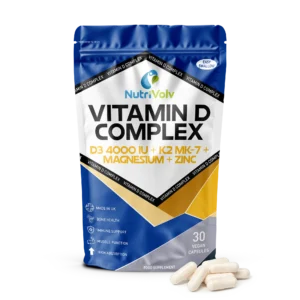
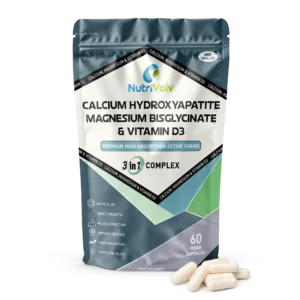
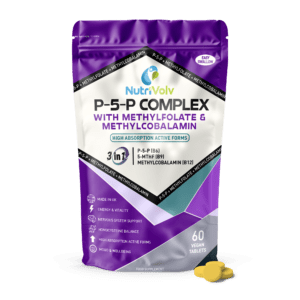
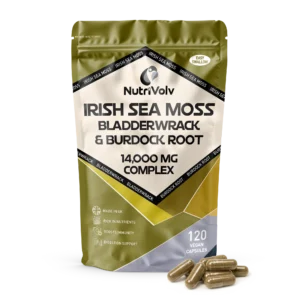
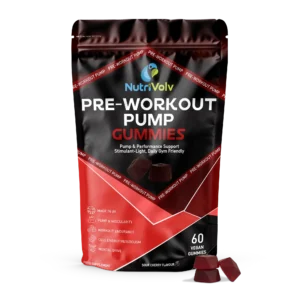
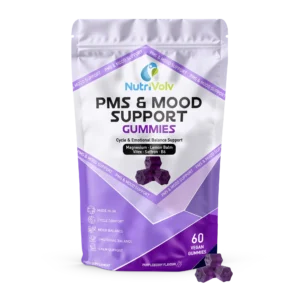
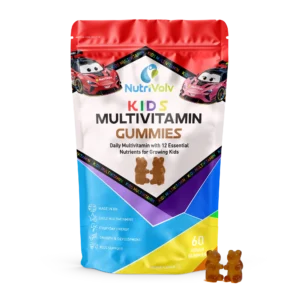
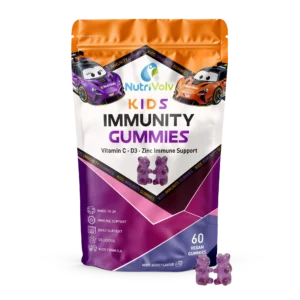
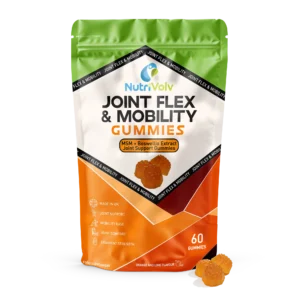
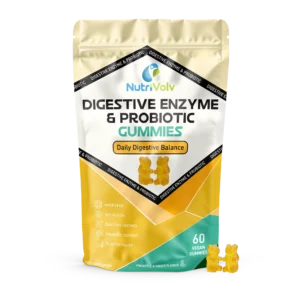
The Nutrivolv Approach: Specialist Quality, Fair Pricing
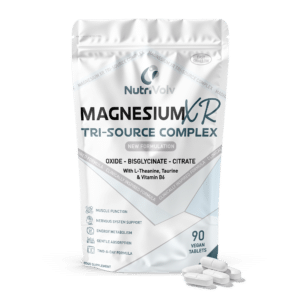
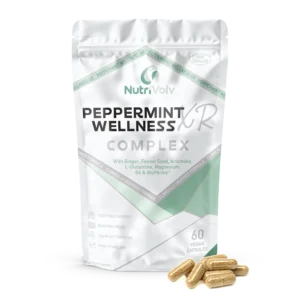
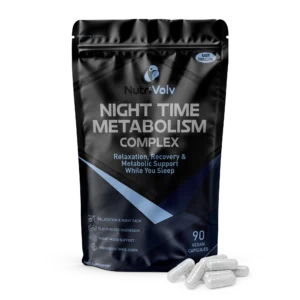
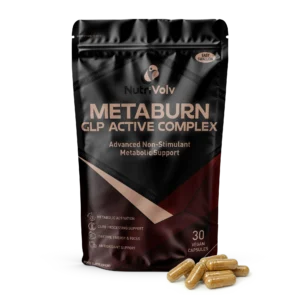
Nutrivolv bridges the gap between budget supermarket supplements and premium specialist brands by prioritising quality without excessive markup.
What Sets Nutrivolv Apart:
GMP-Certified UK Manufacturing: All products manufactured in GMP-certified UK facilities with strict quality controls, full traceability, and documented procedures.
Third-Party Testing: Independent laboratory testing of finished products for purity, potency, and contamination. Certificates of Analysis available for verification.
Research-Backed Formulations: Dosages match clinical research. Ingredient forms chosen for bioavailability, not cost.
Transparent Labelling: No proprietary blends. Exact amounts listed. No hidden fillers or unnecessary additives.
Competitive Pricing: By selling direct and avoiding retail markups, Nutrivolv provides specialist-quality supplements at prices closer to supermarket ranges.
Examples:
Frequently Asked Questions
Are supermarket supplements as good as specialist brands?
It depends on the specific brand and product. Some supermarket brands like Boots, Tesco, and Sainsbury’s own-label supplements meet basic quality standards. However, many lack third-party testing, use cheaper ingredient forms with lower bioavailability, and contain more fillers. Some supermarket brands perform well in independent testing, whilst others fail. The key is checking for third-party certification and Certificates of Analysis, regardless of where you buy.
Which supermarket supplement brands scored highest in independent testing?
Do supermarket supplements contain the same ingredients as specialist brands?
What did the 2024 supplement testing studies reveal?
Are expensive supplements always better quality?
How much more do specialist supplements cost compared to supermarket brands?
Which supplement categories should I prioritize quality over price?
What red flags indicate poor quality supplements regardless of where they're sold?
Do UK supermarkets require quality testing for their own-brand supplements?
Where does Nutrivolv fit in the supermarket vs specialist comparison?
The UK supplement industry operates with surprisingly little mandatory oversight. GMP certification and third-party testing aren’t legally required, yet they’re the only reliable ways to verify supplement quality.
GMP certification ensures proper manufacturing processes. Third-party testing verifies the finished product. Together, they provide confidence that supplements are safe, pure, and accurately labelled.
When choosing supplements, look beyond marketing claims. Check for both GMP certification and third-party testing. Request Certificates of Analysis. Verify certifications through official databases.
Your health deserves more than trust – it deserves proof.