
When to Take Magnesium Glycinate: Morning, Night or With Food?
Magnesium glycinate is one of the most popular magnesium supplements available in the UK, and for good reason. It absorbs well, it sits gently on
SPRING SALE GET 10% OFF WITH VOUCHER CODE: SPRING10
SPRING SALE GET 10% OFF WITH VOUCHER CODE: SPRING10
SPRING SALE GET 10% OFF WITH VOUCHER CODE: SPRING10
SPRING SALE GET 10% OFF WITH VOUCHER CODE: SPRING10
Magnesium is involved in over 300 enzymatic processes in the human body. Most UK adults do not get enough of it from food alone. Yet despite being one of the most important minerals for health, it is also one of the most overlooked, partly because deficiency symptoms are vague and easy to dismiss as general tiredness or stress.
Not all magnesium supplements are equal, though. The form matters. Magnesium glycinate, which binds magnesium to the amino acid glycine, is consistently one of the most well-absorbed and well-tolerated forms available. That combination of bioavailability and gentleness on the gut is why it has become a go-to form for people who want to actually feel a difference rather than just tick a supplement box.
This article covers what magnesium glycinate is genuinely good for, what the research shows, and what you can realistically expect when you start taking it. No inflated claims, no cherry-picked studies. Just a clear look at the evidence.
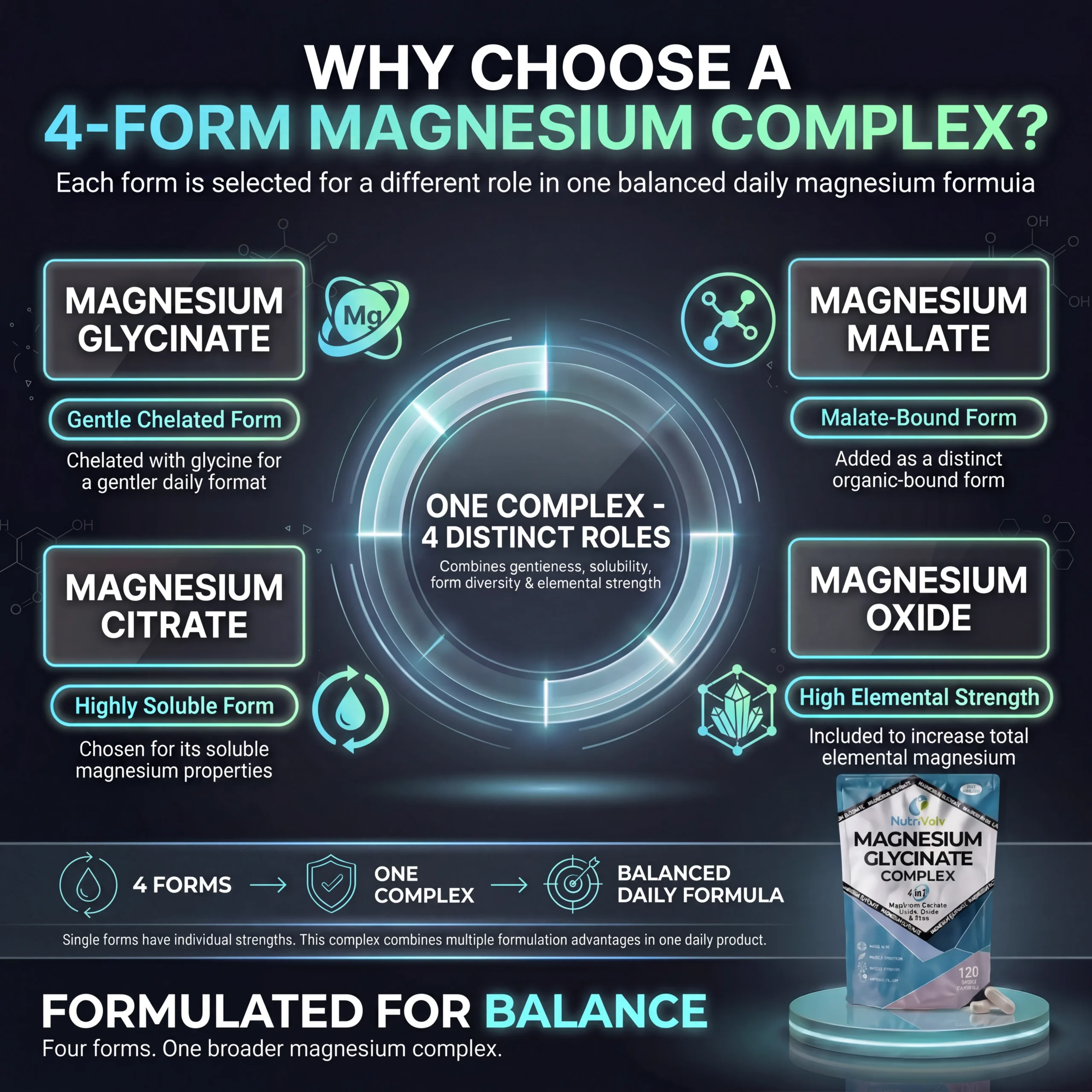
Magnesium glycinate is formed by binding magnesium to glycine, an amino acid. This chelated structure makes it more stable as it moves through the digestive tract and means it is absorbed more efficiently than less sophisticated forms like magnesium oxide, which has a relatively low absorption rate despite its high elemental magnesium content.
The glycine component is not just a delivery mechanism. It has its own physiological activity, particularly in relation to the nervous system and sleep. That dual action, magnesium on one hand and glycine on the other, is part of why this form tends to show up in research focused on sleep, stress, and relaxation rather than purely on mineral repletion.
Review in Nutrients on bioavailability of magnesium forms
This is the benefit most people associate with magnesium glycinate, and the evidence supports it. Magnesium plays a role in regulating the body’s production of melatonin and supporting the activity of GABA receptors, which are the primary inhibitory receptors in the nervous system. When GABA activity is low, the brain struggles to switch off. Magnesium helps facilitate that process.
Glycine adds to this independently. Studies have shown that glycine taken before bed can reduce the time it takes to fall asleep, improve sleep efficiency, and lower daytime fatigue the following day. In magnesium glycinate, you are getting both effects from a single supplement.
For people who wake frequently, lie awake ruminating, or feel unrefreshed in the morning, this is often the form most worth trying. The calming effect is noticeable without being sedating, which distinguishes it from pharmaceutical sleep aids.
Read our guide on when to take magnesium glycinate for sleep
Magnesium has a direct relationship with the hypothalamic-pituitary-adrenal axis, which is the system that governs how the body responds to stress. When magnesium levels are low, the HPA axis becomes more reactive, which means a more pronounced stress response to everyday triggers.
There is also a feedback loop worth understanding. Stress causes the body to excrete more magnesium through urine. So the more stressed you are, the faster your magnesium depletes, which in turn makes the stress response worse. Supplementing with a well-absorbed form like glycinate can help interrupt that cycle.
Glycine also acts as an inhibitory neurotransmitter in the central nervous system, contributing to a calmer baseline state. The effect is subtler and builds over time with consistent use, which is why people who stick with magnesium glycinate for several weeks tend to report more meaningful results.
Magnesium is essential for normal muscle function. It regulates the balance between calcium, which triggers muscle contraction, and its own role in facilitating relaxation. When magnesium is insufficient, muscles can contract more readily and relax more slowly, which is part of why cramps and muscle tightness are associated with low magnesium status.
For people who train regularly, magnesium losses through sweat are significant. Active individuals often have higher requirements than the general population. Taking magnesium glycinate after exercise supports the recovery process and can reduce the frequency and severity of cramps, particularly the kind that strike at night or during the early stages of recovery.
Magnesium contributes to normal nervous system function, a claim backed by EFSA. In practice, this shows up as better regulation of nerve signals, reduced sensitivity to external stimuli, and a more stable mood baseline. People who describe feeling wired but tired, easily startled, or persistently on edge often find that addressing magnesium deficiency makes a tangible difference.
The nervous system benefit overlaps with the anxiety and sleep benefits, but it is worth separating out because it is not only relevant to people with obvious stress or sleep problems. Even people whose magnesium is mildly insufficient without being classically deficient can experience nervous system effects they might not attribute to nutrition at all.
Magnesium is a cofactor in the production of ATP, which is the energy currency of every cell in the body. Without adequate magnesium, the body’s ability to produce and use energy efficiently is compromised. This is one reason why persistent tiredness and low energy are among the most common signs of magnesium insufficiency.
This is also why magnesium glycinate is not purely an evening supplement. Some people benefit from a morning dose specifically for the energy and focus benefits, particularly if they are dealing with fatigue that does not respond to sleep alone.
NHS guidance on magnesium, energy, and nerve function
Magnesium is a structural component of bone tissue. Around 60% of the body’s total magnesium is stored in the bones, where it contributes to bone density and the regulation of calcium and vitamin D metabolism. Low magnesium status has been associated with lower bone mineral density in observational studies.
This benefit is slower to manifest than sleep or stress improvements and is not something most people notice directly. It is worth factoring into decisions about long-term supplementation, particularly for women in perimenopause and beyond, where bone density becomes an increasingly important health variable.
If you have previously taken magnesium oxide and felt little difference, or tried magnesium citrate and found the digestive side effects outweighed the benefits, glycinate is typically the next logical step.
It does not have the laxative effect associated with citrate in higher doses. It absorbs more reliably than oxide. And it brings the added glycine benefit that other forms do not provide. For people who want one form of magnesium that covers sleep, stress, muscle, and energy support without digestive compromise, glycinate is consistently the most practical choice.
That said, a triple source complex, which combines glycinate with citrate and oxide in calibrated amounts, can offer broader coverage if you want multiple absorption pathways working simultaneously.
See how magnesium glycinate compares in a triple complex formula
The NHS recommends 270mg of elemental magnesium daily for women and 300mg for men, from all sources combined. Most magnesium glycinate supplements provide between 200mg and 400mg of elemental magnesium per serving. Always check the elemental magnesium figure on the label, not the total compound weight.
For sleep and anxiety support, taking it 30 to 60 minutes before bed tends to produce the most noticeable results. For energy and general health maintenance, mornings with food works well. Splitting a higher dose between morning and evening is a reasonable approach for those at the higher end of the range.
Consistency matters more than timing. Magnesium is not a supplement you take once and feel the difference. Levels build over two to four weeks of daily use, which is when most people report clear, sustained improvements.
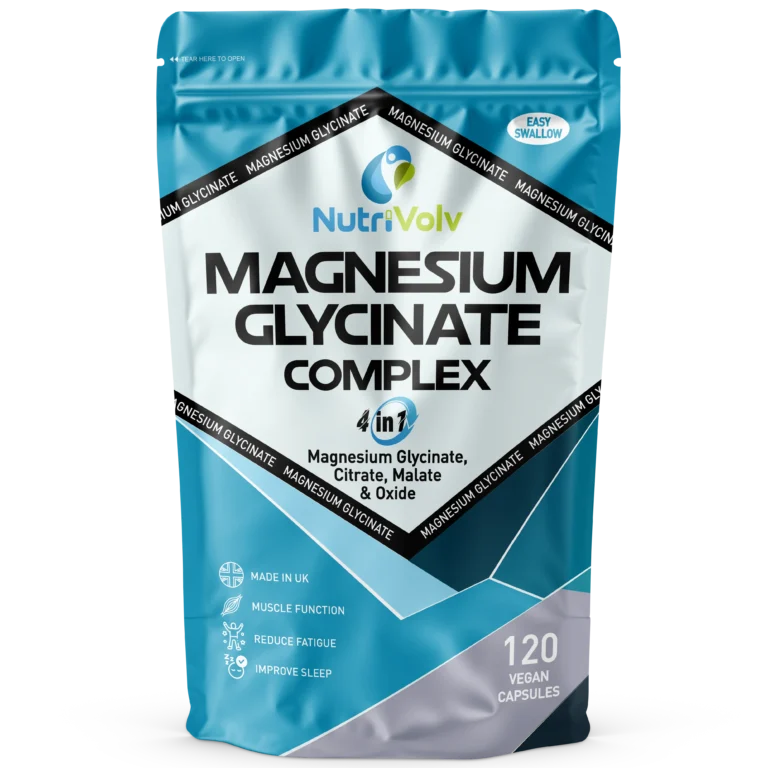
Nutrivolv’s Magnesium Glycinate Complex 4-in-1 provides a high-strength 1900mg complex in capsule form, designed for daily use with straightforward dosing. It is vegan, gluten free, GMP certified, and made in the UK.
Shop Nutrivolv Magnesium Glycinate Complex
Most healthy adults can take magnesium glycinate daily without issue. It is particularly relevant for people with consistently poor sleep who have already addressed sleep hygiene basics, adults under sustained stress who notice they feel more anxious or overwhelmed than usual, active individuals who lose magnesium through sweat and want to support muscle recovery, anyone who has had digestive side effects from other magnesium forms, and people over 40 who want to support bone density and nervous system health as part of a long-term maintenance approach.
If you have a kidney condition or take prescription medication, particularly diuretics or heart medications, check with your GP before starting any magnesium supplement.
Magnesium glycinate is not a trend supplement or a clever marketing spin on a basic mineral. It is a well-researched, highly bioavailable form of one of the body’s most essential nutrients, with a meaningful body of evidence behind its benefits for sleep, stress, muscle function, and energy metabolism.
The key is choosing a well-formulated product, sticking with it consistently, and giving it enough time to work. If you have been running low on magnesium without realising it, the difference four weeks of daily supplementation makes can be surprisingly significant.
Nutrivolv’s Magnesium Glycinate Complex 4-in-1 is a clean, clearly labelled option with no unnecessary fillers, made in the UK to GMP standards. If you want a form of magnesium that actually gets absorbed and actually does what it says, it is a good place to start.
Shop Magnesium Glycinate Complex — Nutrivolv
Q1: What are the main benefits of magnesium glycinate?
Magnesium glycinate supports sleep quality, stress and anxiety reduction, muscle recovery, nervous system function, and energy metabolism. It is one of the most bioavailable forms of magnesium, meaning the body absorbs and uses it more efficiently than forms like magnesium oxide. The glycine component also contributes independently to nervous system calm, making it particularly effective for sleep and stress-related uses. Benefits typically become noticeable after two to four weeks of consistent daily use.
Q2: What is magnesium glycinate good for specifically?
Magnesium glycinate is particularly well suited to people who want support with sleep onset, sleep quality, and restlessness at night. It is also commonly used by people managing ongoing stress or mild anxiety, active individuals who experience muscle cramps or slow recovery after exercise, and anyone who has experienced digestive discomfort from other magnesium forms. Its gentleness on the stomach and high absorption rate make it a practical first choice for general daily magnesium supplementation.
Q3: Does magnesium glycinate actually help with sleep?
Yes, with the caveat that results depend on consistency and individual magnesium status. Magnesium supports melatonin regulation and GABA receptor activity, both of which are central to sleep onset and maintenance. Glycine has also been studied independently for improving sleep efficiency and reducing daytime fatigue. Most people who take it regularly for two to four weeks report measurable improvements in how quickly they fall asleep and how refreshed they feel in the morning.
Q4: Can magnesium glycinate help with anxiety?
Magnesium plays a direct role in regulating the HPA axis, the system that governs the stress response. Low magnesium is associated with a more reactive stress response and heightened anxiety. Supplementing with a well-absorbed form like glycinate can help address that underlying insufficiency. It is not a treatment for diagnosed anxiety disorders and should not replace professional support, but for people whose anxiety is partly driven by low magnesium status, it can make a genuine and noticeable difference.
Q5: How long does it take for magnesium glycinate to work?
Most people begin to notice benefits within two to four weeks of consistent daily use. Sleep improvements and reductions in muscle cramps are often among the first changes people report. Mood and stress-related benefits can take slightly longer to become clear, particularly if magnesium levels were significantly depleted to begin with. Daily use for at least a month is the sensible benchmark before drawing conclusions.
Q6: Is magnesium glycinate safe to take every day?
Yes, magnesium glycinate is suitable for daily use and is generally very well tolerated. It is one of the gentler forms of magnesium and is unlikely to cause digestive side effects at recommended doses. Adults should stay within NHS guidance of 270 to 300mg of elemental magnesium daily from all sources. People with kidney conditions should consult their GP before supplementing, as impaired kidney function can affect how the body handles supplemental doses.
Q7: What is the difference between magnesium glycinate and magnesium bisglycinate?
Magnesium glycinate and magnesium bisglycinate refer to the same compound and are often used interchangeably on supplement labels. Both describe a chelated form of magnesium where the magnesium ion is bound to two molecules of glycine. The ‘bis’ prefix simply indicates two glycine molecules. When comparing products, focus on the elemental magnesium content per serving rather than which name appears on the label, as the underlying compound is the same.
Q8: Can I take magnesium glycinate if I already take other supplements?
In most cases, yes. Magnesium glycinate is compatible with common supplements including vitamin D3, zinc, B vitamins, and ashwagandha. If you take a calcium supplement, spacing it at least two hours from your magnesium dose is sensible, as the two minerals compete for absorption. If you take prescription medications, particularly antibiotics, diuretics, or medications for heart conditions, check with your GP or pharmacist before adding magnesium to your routine.
Q9: Does magnesium glycinate cause any side effects?
At recommended doses, magnesium glycinate is well tolerated by most people and does not typically cause the digestive discomfort associated with magnesium oxide or the laxative effect sometimes seen with higher doses of magnesium citrate. Some people experience a gentle feeling of calm or relaxation, particularly if they take it in the evening, which is generally considered a benefit rather than a side effect. Exceeding the recommended dose may cause loose stools or stomach discomfort.
Q10: Is magnesium glycinate suitable for vegans?
Yes, Nutrivolv’s Magnesium Glycinate Complex 4-in-1 is vegan-friendly and free from common allergens including gluten, dairy, and soya. Always check individual product labels to confirm allergen and dietary status, as formulations vary between brands. Vegan, GMP certified, Non-GMO, and made in the UK are the quality markers worth looking for when choosing a magnesium glycinate supplement.
Q11: Where can I buy magnesium glycinate in the UK?
Magnesium glycinate supplements are available from online supplement retailers, health food stores, and some pharmacies across the UK. Nutrivolv supplies its Magnesium Glycinate Complex 4-in-1 directly to UK customers via nutrivolv.com, with clear elemental magnesium labelling, GMP certification, and UK manufacturing. At £9.95 for 120 capsules, it offers a 60 to 120-day supply depending on your dose.
Shop Magnesium Glycinate Complex
Q12: What should I look for when choosing a magnesium glycinate supplement?
The most important thing to check is the elemental magnesium content per serving, not the total compound weight, as these are different figures and the compound weight will always be higher. Beyond that, look for clear labelling of the form used, GMP-certified manufacturing, vegan suitability if relevant, and a product free from unnecessary fillers. A UK-manufactured supplement from a transparent retailer that publishes its formulation detail gives you the clearest basis for comparison.
Magnesium glycinate is one of the most popular magnesium supplements available in the UK, and for good reason. It absorbs well, it sits gently on
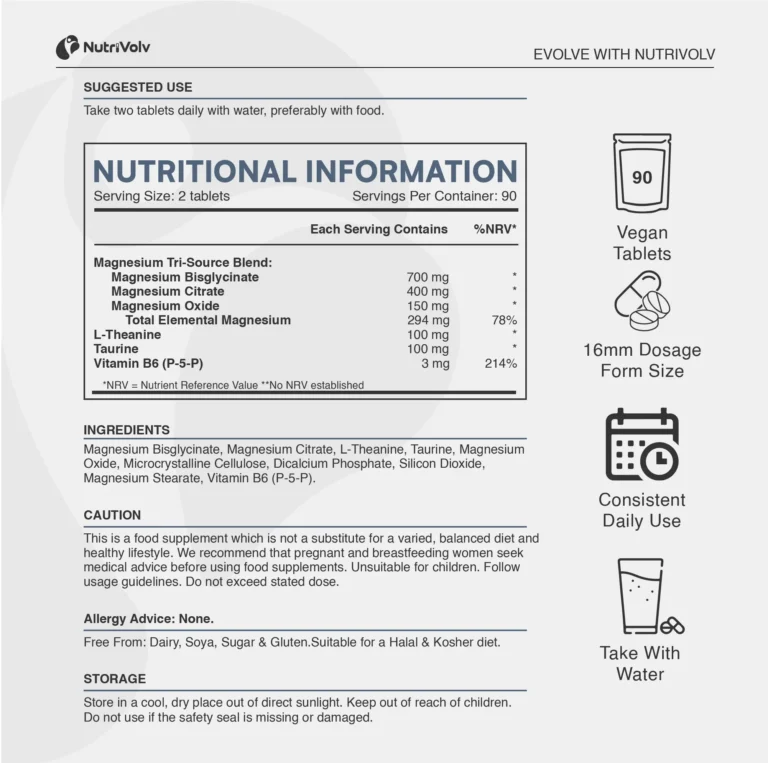
Most supplement labels tell you what a product contains. Very few explain what each ingredient actually does once it is inside your body. A magnesium
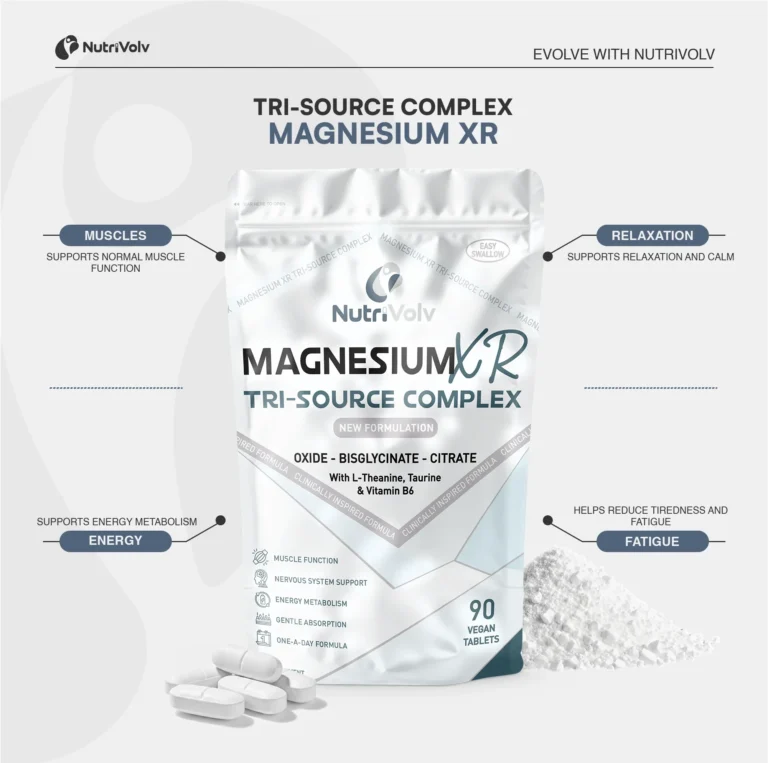
Most people looking for the best magnesium supplement in the UK run into the same problem. The market is full of options, the labels vary