Third-Party Tested vs GMP Certified: What’s Actually Required in the UK?

Walk into any health shop in the UK and you’ll see supplement bottles covered in impressive-looking badges. “GMP Certified.” “Third-Party Tested.” “Quality Assured.” But what do these certifications actually mean? And more importantly, which ones are actually required by law?
The answer might surprise you: neither GMP certification nor third-party testing is legally mandatory for food supplements in the UK. Yet one 2024 study found that supplements with third-party certification were significantly less likely to contain contaminants and more likely to match their labels. Another study from 2024-2025 discovered that 47% of tested protein powders exceeded safety thresholds for toxic metals.
If quality testing isn’t required, how do you know whether your supplements contain what they claim? This article breaks down the difference between GMP certification and third-party testing, explains what UK regulations actually require, and shows you how to identify genuinely high-quality supplements.

What UK Law Actually Requires for Supplements
In the UK, food supplements are regulated by the Food Standards Agency (FSA) and must comply with The Food Supplements (England) Regulations 2003. Here’s what’s legally required
Mandatory Requirements:
- Registration as a Food Business Operator with local authority
- Compliance with general food safety legislation
- Accurate labelling (must say “food supplement,” not “dietary supplement”)
- Business name and UK address on packaging
- List of ingredients with amounts
- Nutritional information panel
- Warnings where appropriate (e.g., caffeine content)
- Compliance with maximum permitted levels of vitamins and minerals
What's NOT Legally Required:
- GMP certification
- Third-party testing
- Batch testing for purity or potency
- Certificates of Analysis
- Pre-market safety approval
- Proof that products contain stated ingredients
This means manufacturers can legally sell supplements in the UK without proving quality, testing for contaminants, or verifying that ingredients match the label. The regulations focus on labelling accuracy and safety claims, not product testing.
This is where voluntary certifications like GMP and third-party testing become crucial.
###What GMP Certification Actually Means
GMP stands for Good Manufacturing Practice. It’s a system of guidelines that ensures products are consistently manufactured to quality standards. GMP certification verifies that a facility follows proper procedures for:
Manufacturing Facilities:
- Clean, hygienic production areas
- Proper equipment maintenance and calibration
- Environmental controls to prevent cross-contamination
- Pest control systems
- Appropriate storage conditions
- Segregation of different product lines
Quality Control:
- Documented Standard Operating Procedures (SOPs)
- Master manufacturing records
- Batch records and traceability systems
- Quality control checkpoints throughout production
- Employee training and qualification
- Regular audits and inspections
Materials Management:
- Supplier verification
- Raw material specifications
- Incoming material testing
- Proper labelling and storage
- Expiry date monitoring
GMP certification is about process control. It ensures the manufacturing environment and procedures are designed to produce safe, consistent products. However, GMP certification alone doesn’t guarantee that every batch of finished product meets quality standards.
Key Point: A supplement can be GMP certified yet still contain contaminants if raw materials aren’t tested or if the finished product isn’t independently verified.
What Third-Party Testing Actually Verifies
Third-party testing involves sending finished products to independent, accredited laboratories for analysis. Unlike GMP (which certifies the facility), third-party testing verifies the actual product in the bottle.
What Gets Tested:
Identity Verification:
- Confirms ingredients match the label
- Uses techniques like HPLC, mass spectrometry
- Ensures you’re getting what you paid for
Potency Testing:
- Measures actual ingredient amounts
- Verifies label claims (e.g., “1000mg” actually contains 1000mg)
- Checks for underdosing or overdosing
Purity Testing:
- Screens for adulterants
- Detects undeclared ingredients
- Identifies fillers not listed on label
Contaminant Screening:
- Heavy metals (lead, arsenic, mercury, cadmium)
- Microbiological contamination (bacteria, mould, yeast)
- Pesticides and herbicides
- Residual solvents
- Banned substances (for sports nutrition)
Certification Bodies:
- NSF International: Tests for contaminants, verifies ingredients
- Informed Sport: Tests for 270+ banned substances, ideal for athletes
- USP (United States Pharmacopeia): Verifies identity, strength, purity
- ConsumerLab: Independent testing and ratings
- BSCG (Banned Substances Control Group): Athletic certification
The Critical Difference: Process vs Product
The fundamental difference between GMP and third-party testing:
GMP Certification = Process Quality
- Verifies the manufacturing facility and procedures
- Annual or periodic facility audits
- Ensures consistent production methods
- Doesn’t test individual product batches
Third-Party Testing = Product Quality
- Verifies the finished supplement itself
- Batch-specific testing
- Confirms what’s actually in the bottle
- Independent laboratory analysis
Why Both Matter: Real-World Examples
2024 Data on Supplement Quality:
According to a 2024 study, supplements with third-party certification were significantly less likely to contain contaminants than uncertified products. Yet in 2024, the FDA issued 108 warning letters about tainted or misbranded supplements. More concerning: over 85,000 supplements on the market weren’t tested by any regulatory authority.
Contamination Studies:
- A 2024 study found over 15% of tested supplements contained trace amounts of contaminants
- A 2024-2025 protein powder study found 47% exceeded California Proposition 65 safety thresholds for toxic metals
- Despite Prop 65 limits being stricter than standard industry limits, the data highlights environmental contamination as a real concern
Label Accuracy Issues: Without third-party testing, label accuracy becomes questionable. Independent testing consistently finds:
- Products containing significantly less than stated amounts
- Completely missing ingredients listed on labels
- Undeclared ingredients not on labels
- Wrong forms of ingredients (cheaper, less bioavailable versions)
How to Verify Quality: Practical Checklist
1. Check for GMP Certification
- Look for “GMP Certified” or “Manufactured in GMP facilities” on label
- Verify it references specific GMP standards (e.g., “GMP certified to UK food safety standards”)
- Check company website for facility certifications
2. Look for Third-Party Testing Seals
- NSF Certified for Sport (athletes)
- Informed Sport / Informed Choice
- USP Verified
- ConsumerLab Approved
- BSCG Certified
3. Verify Certifications Are Real
- Visit certifying organization’s website
- Search their database for the specific product
- Check using batch/lot number from your bottle
- Don’t trust logos alone – they can be faked
4. Request Certificate of Analysis
- Contact brand directly
- Provide your batch number (printed on bottle)
- Legitimate brands provide CoAs readily
- CoA should be from independent, accredited lab
5. Red Flags to Avoid
- “In-house tested” without independent verification
- No batch numbers on products
- Unwillingness to provide test results
- Vague quality claims without specific certifications
- “Proprietary blends” hiding exact amounts
- Prices too good to be true
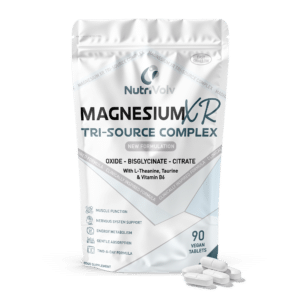
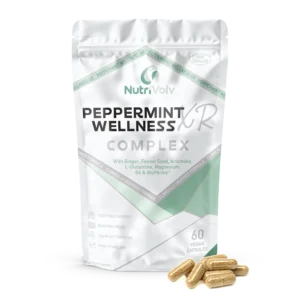
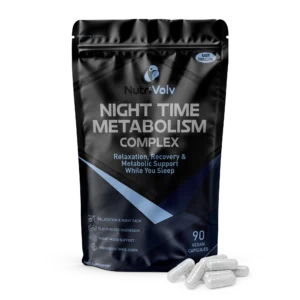
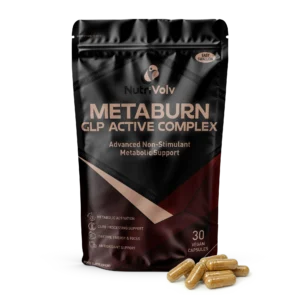
What This Means for Nutrivolv Customers
Every Nutrivolv product is:
GMP Certified Manufacturing:
- Produced in GMP-certified UK facilities
- Strict facility hygiene and quality control
- Documented procedures for every production step
- Regular facility audits
- Full batch traceability
Third-Party Tested:
- Independent laboratory testing of finished products
- Certificates of Analysis available for verification
- Testing for purity, potency, and contaminants
- Heavy metal screening
- Microbial testing
Frequently Asked Questions
What's the difference between third-party testing and GMP certification?
GMP (Good Manufacturing Practice) certification verifies that manufacturing facilities follow proper hygiene, quality control, and documentation standards during production. Third-party testing verifies the finished product itself, testing each batch for purity, potency, contaminants, and label accuracy. GMP ensures the process is correct. Third-party testing confirms the end result meets quality standards.
Is GMP certification mandatory for UK supplements?
Is third-party testing required by UK law?
What should I look for on a Certificate of Analysis?
Can supplements be GMP certified but still contain contaminants?
How can I verify if a supplement is actually third-party tested?
What contaminants do third-party tests check for?
Why do so many UK supplements lack third-party testing?
Are expensive supplements automatically higher quality?
Do Nutrivolv supplements have both GMP certification and third-party testing?
Conclusion
The UK supplement industry operates with surprisingly little mandatory oversight. GMP certification and third-party testing aren’t legally required, yet they’re the only reliable ways to verify supplement quality.
GMP certification ensures proper manufacturing processes. Third-party testing verifies the finished product. Together, they provide confidence that supplements are safe, pure, and accurately labelled.
When choosing supplements, look beyond marketing claims. Check for both GMP certification and third-party testing. Request Certificates of Analysis. Verify certifications through official databases.
Your health deserves more than trust – it deserves proof.