SPRING SALE GET 10% OFF WITH VOUCHER CODE: SPRING10

BLOOD SUGAR CONTROL

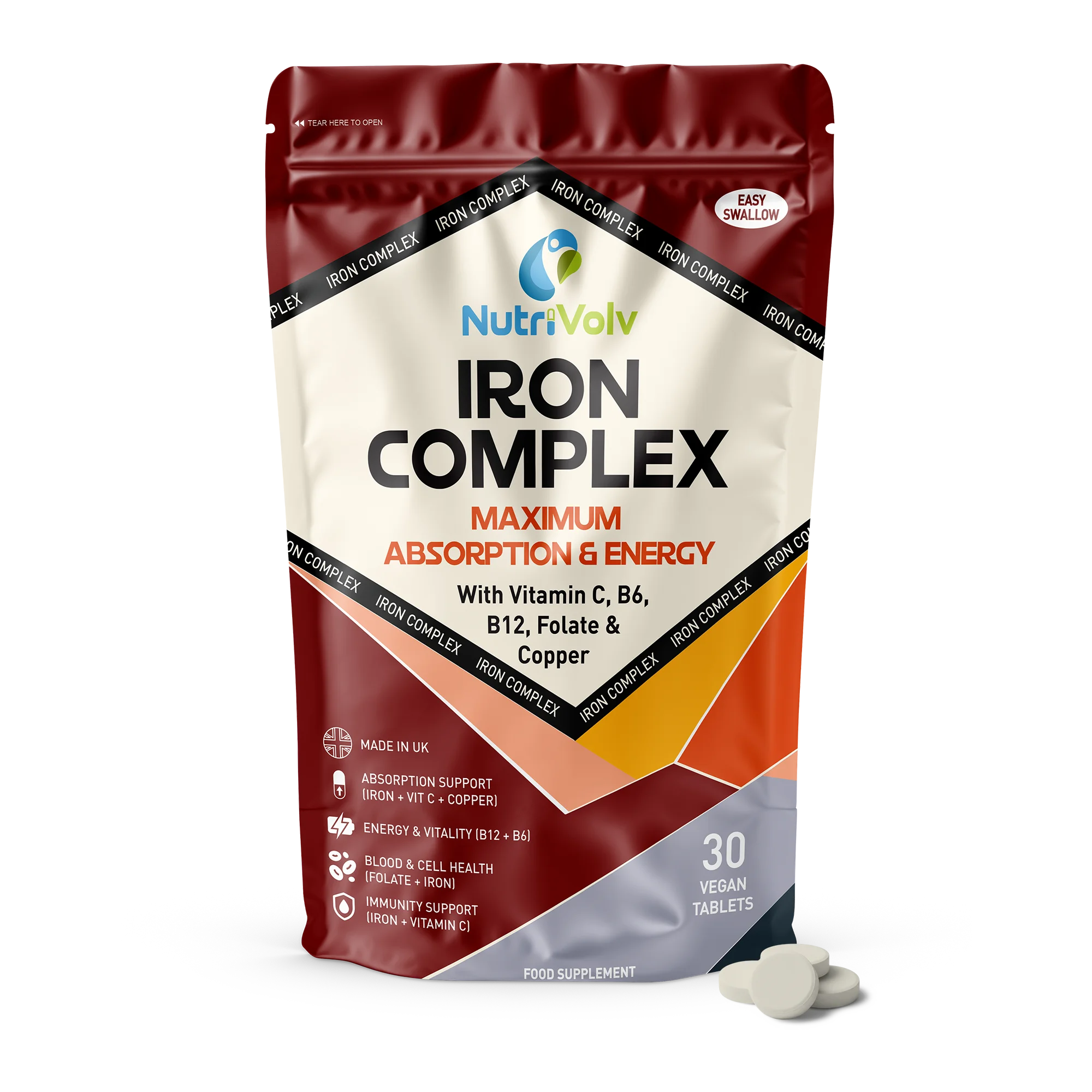
Iron Complex (30 Tablets)

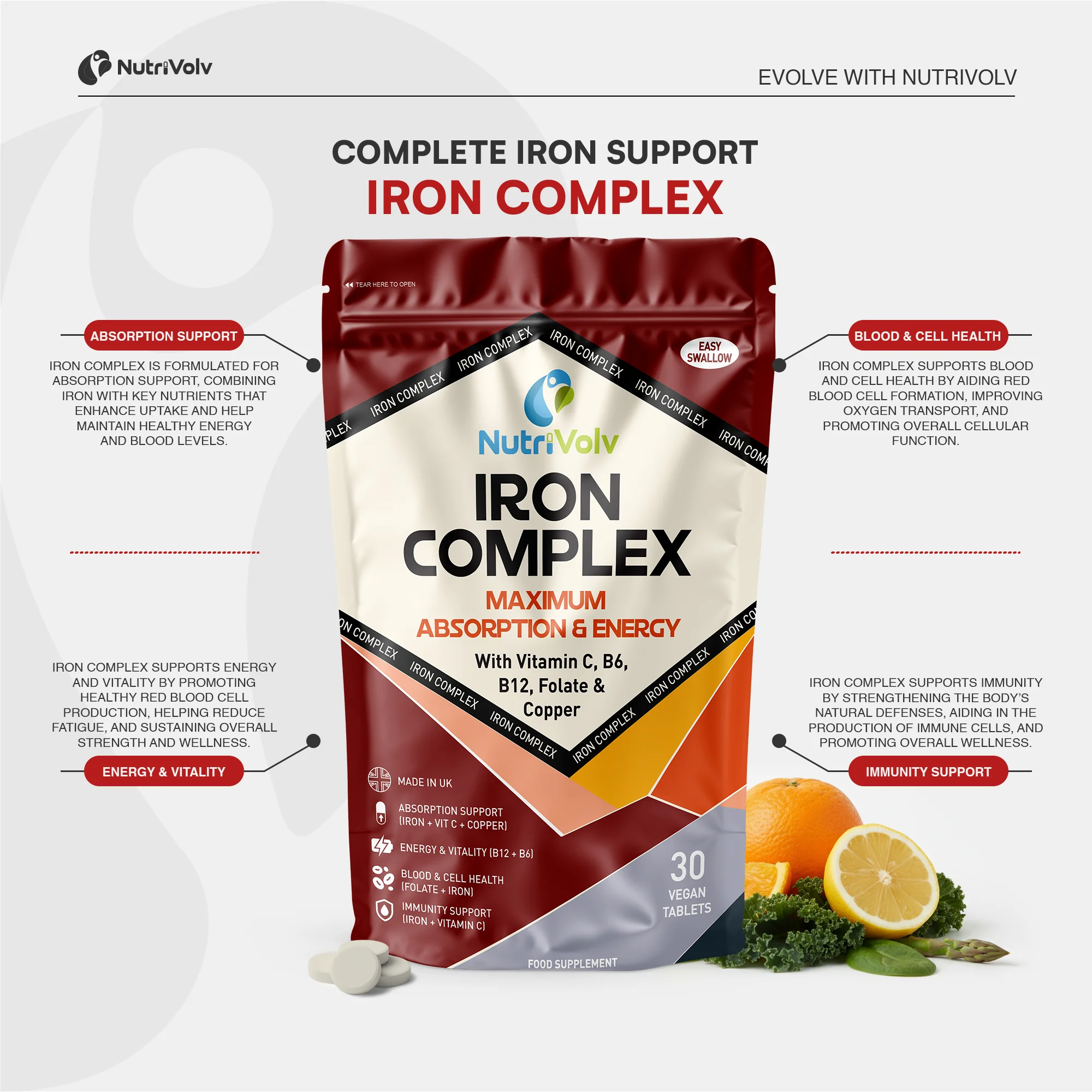
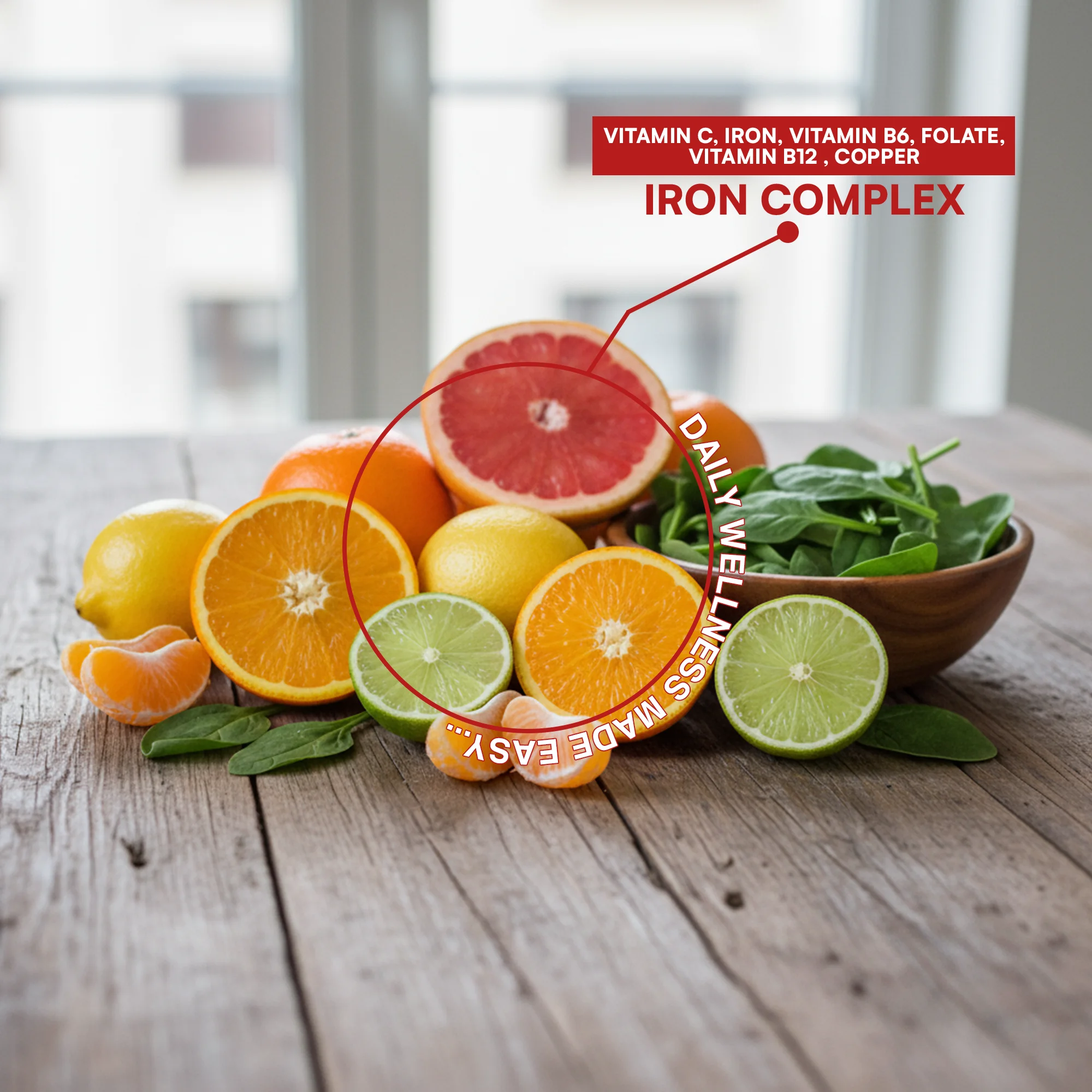
Complete iron complex with key vitamins supporting energy, red blood cells, and absorption—ideal for fatigue and daily iron support.
  • Supports red blood cell formation
  • Helps reduce tiredness and fatigue
  • Includes cofactors for improved absorption
  • Supports energy and oxygen transport
  • Gentle and effective iron delivery
  • Ideal for women and low iron intake
  • Convenient daily tablet format
Buy 1 Bag
£9.95
£9.95
5% OFF
Buy 2 Bags
£9.95
£9.45
10% OFF
Buy 3 Bags
£9.95
£8.96
Select a quantity

Gluten-Free

GMP

Non-GMO

Made in UK

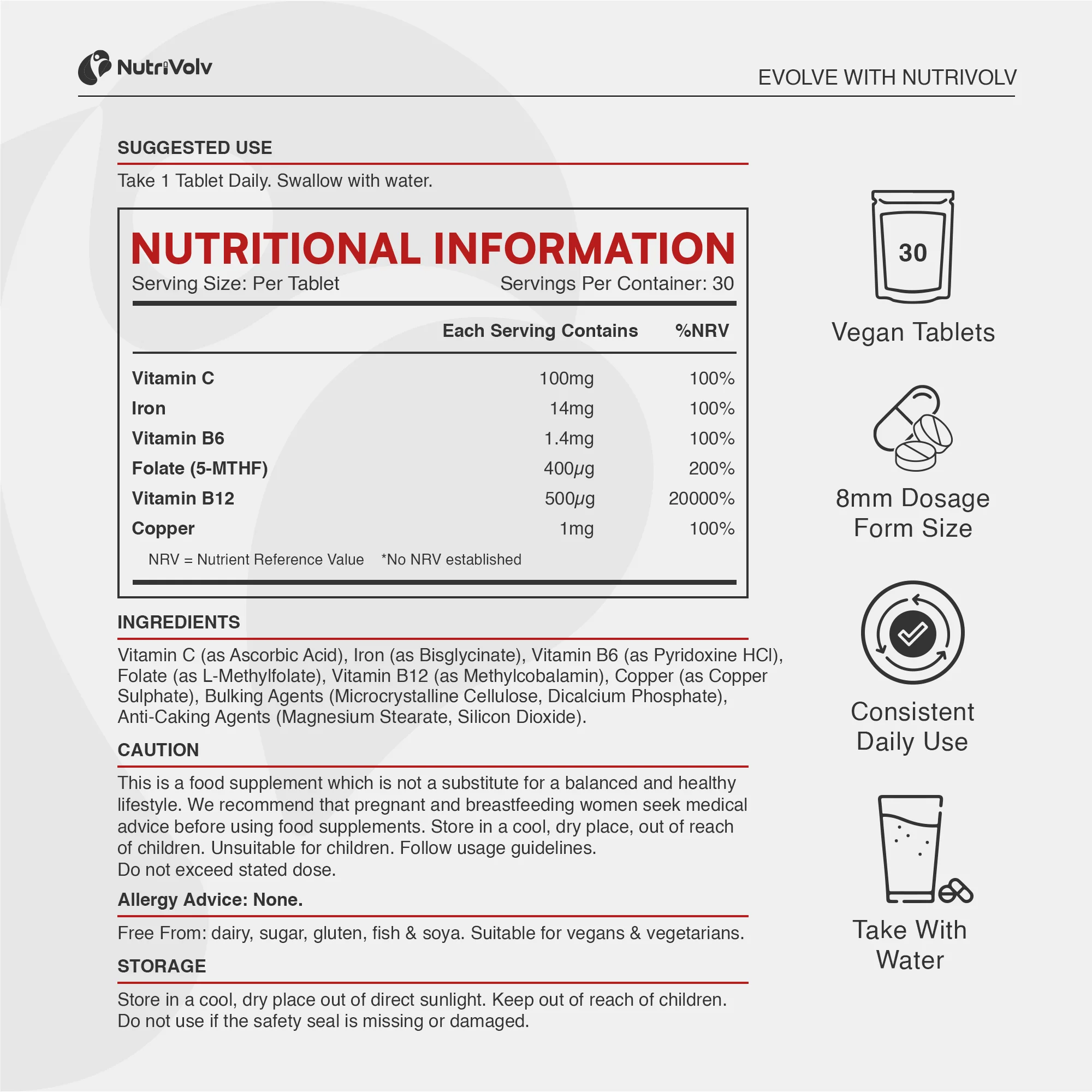
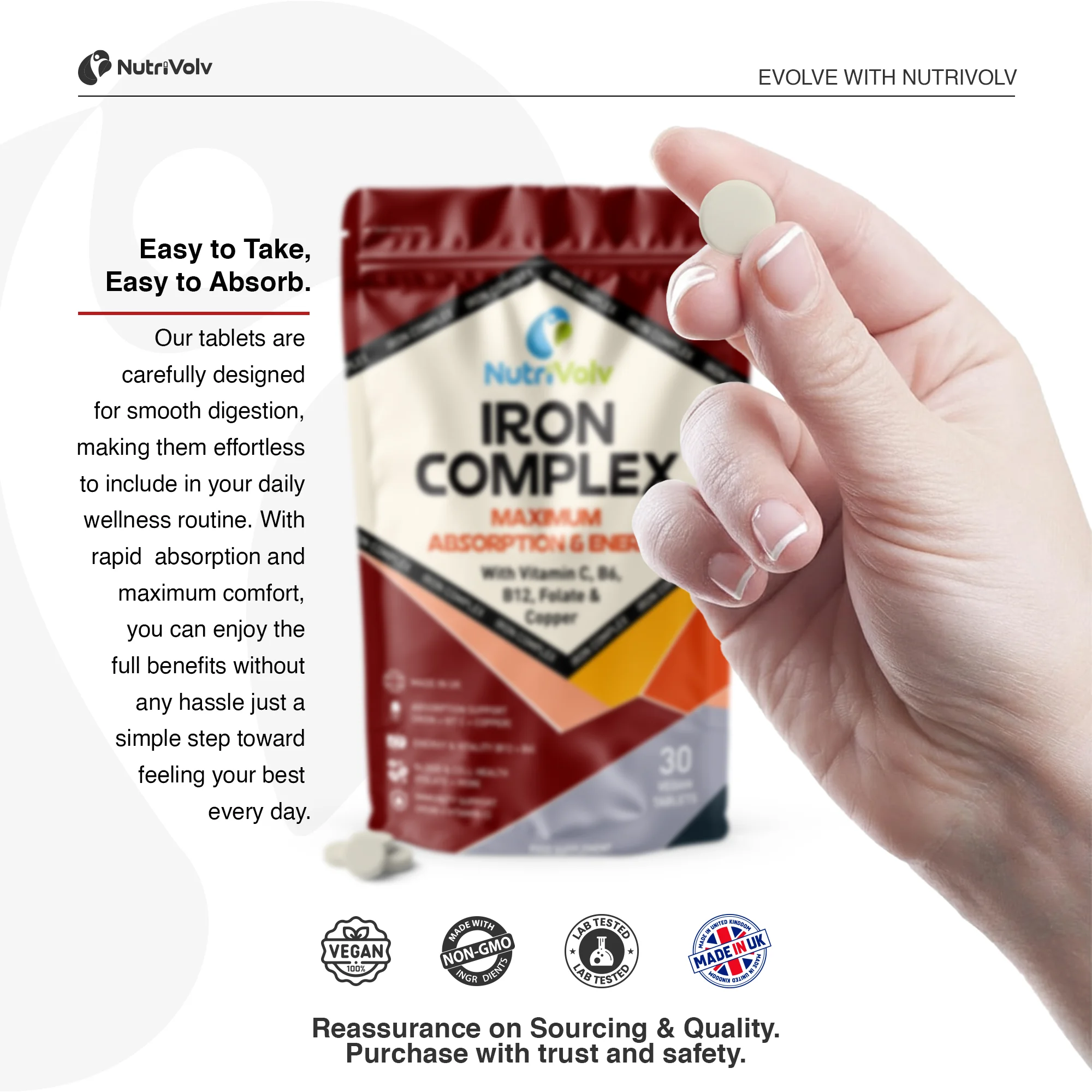
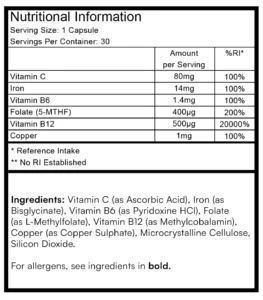
Nutrivolv Iron Complex is a comprehensive formula designed to support energy levels, red blood cell formation, and overall wellbeing. Combining iron with essential cofactors such as vitamin C, B12, and folate, this supplement enhances absorption and effectiveness, helping your body utilise iron more efficiently. It is ideal for individuals experiencing fatigue, low energy, or those with increased iron requirements, including women. The balanced formulation supports oxygen transport in the body, contributing to improved energy and reduced tiredness. Easy-to-take tablets provide a convenient daily solution. Manufactured in the UK to high-quality standards, this vegan-friendly supplement supports long-term energy, vitality, and healthy iron levels.

Frequently Asked Question

Iron Complex combines iron with essential cofactors that dramatically improve absorption and effectiveness, addressing the fact that iron alone is poorly absorbed and can cause digestive upset. Vitamin C is perhaps the most important addition, as it can increase non-heme iron absorption (the type found in supplements and plant foods) by up to 300%. Vitamin C converts iron from ferric (Fe3+) to ferrous (Fe2+) form in the acidic stomach environment, the form more readily absorbed in the small intestine. It also forms soluble iron complexes that prevent iron from binding with phytates and polyphenols from foods that would otherwise block absorption. Vitamin B12 and folate (vitamin B9) are included because they’re essential for red blood cell production alongside iron. Iron provides the mineral component of haemoglobin (the oxygen-carrying protein in red blood cells), whilst B12 and folate are required for DNA synthesis and cell division during red blood cell formation in bone marrow. Deficiency in any of these three nutrients causes anaemia, but the types differ: iron deficiency causes microcytic anaemia (small, pale red blood cells), whilst B12 or folate deficiency causes megaloblastic anaemia (large, immature red blood cells). By providing all three together, this formula supports complete red blood cell production rather than just one aspect. The synergy means your body can actually utilise the iron you’re taking rather than excreting most of it unused, reducing the dose needed and minimising side effects. This comprehensive approach is particularly important for individuals with multiple nutritional deficiencies, which often occur together due to poor diet, absorption issues, or increased requirements during pregnancy or menstruation.
Iron deficiency is the most common nutritional deficiency globally, affecting approximately 25% of the world’s population, with women of reproductive age, pregnant women, children, and athletes at highest risk. Women lose iron monthly through menstruation, with heavy periods potentially depleting iron stores faster than diet can replace them. Requirements increase dramatically during pregnancy to support expanding maternal blood volume and foetal development. Athletes, particularly endurance runners, lose iron through foot strike haemolysis (red blood cell damage from repetitive impact), gastrointestinal bleeding from intense exercise, and increased iron demand from higher red blood cell turnover. Vegetarians and vegans are at higher risk because plant-based iron (non-heme) is less bioavailable than animal-source iron (heme), with absorption rates of 2-20% versus 15-35% respectively. Symptoms of iron deficiency develop gradually and include persistent fatigue and weakness that doesn’t improve with rest, pale skin and nail beds, cold hands and feet due to reduced oxygen delivery, shortness of breath with minimal exertion, dizziness or lightheadedness particularly when standing, frequent infections from impaired immune function, restless leg syndrome and unusual cravings (pica) such as for ice, dirt, or starch. Hair loss beyond normal shedding and brittle nails that break easily can indicate deficiency. However, symptoms alone don’t confirm deficiency as they overlap with many conditions. Blood tests are essential for diagnosis: serum ferritin (iron stores) below 30 ng/mL indicates depletion, whilst below 15 ng/mL confirms deficiency. Haemoglobin measures current iron in circulation, with values below 120 g/L for women or 130 g/L for men indicating anaemia. If you suspect deficiency, consult your GP for blood tests before starting supplementation, as excess iron can be harmful and some conditions like haemochromatosis require avoiding additional iron.
Iron supplements come in various forms with significantly different absorption rates, tolerability, and effectiveness. Ferrous forms (ferrous sulphate, ferrous fumarate, ferrous gluconate) are more bioavailable than ferric forms, with ferrous sulphate being the most commonly prescribed but also causing the most digestive side effects. Ferrous sulphate provides approximately 20% elemental iron and is well absorbed but frequently causes constipation, nausea, and stomach upset, leading to poor compliance. Ferrous fumarate provides 33% elemental iron with similar absorption but slightly better tolerability. Ferrous gluconate contains only 12% elemental iron but is gentler on the stomach, making it suitable for sensitive individuals despite requiring higher doses. Ferrous bisglycinate (iron chelate) is a newer form where iron is bound to the amino acid glycine, creating a highly bioavailable, gentle form with absorption rates comparable to ferrous sulphate but with significantly fewer gastrointestinal side effects. The amino acid protection prevents iron from interacting with other dietary components that would inhibit absorption whilst reducing direct contact with the intestinal wall that causes upset. This makes bisglycinate ideal for long-term supplementation. Ferric forms like ferric citrate are less well absorbed but used in specific medical contexts. Haem iron polypeptide, derived from animal sources, has high bioavailability similar to dietary haem iron from meat but is expensive and not suitable for vegetarians. The form of iron in this complex is selected for optimal balance of absorption and tolerability, combined with vitamin C to further enhance uptake. When comparing supplements, look at elemental iron content rather than total compound weight, as this determines actual iron delivered. A 300mg ferrous sulphate tablet provides approximately 60mg elemental iron, whilst 300mg ferrous gluconate provides only 36mg elemental iron. The combination approach in this complex, using cofactors to maximize absorption, allows for effective dosing with minimal side effects.
Constipation is the most common side effect of iron supplementation, affecting approximately 20-70% of users depending on the form and dose, but several strategies can significantly reduce this and other digestive side effects. Iron causes constipation through multiple mechanisms: it reduces beneficial gut bacteria whilst promoting harmful bacteria that affect motility, binds water in the intestines making stools harder, and slows intestinal transit time. The severity relates to the amount of unabsorbed iron reaching the colon, which is why higher doses and poorly absorbed forms cause worse constipation. To minimise constipation and other side effects, start with a lower dose and increase gradually over 1-2 weeks, allowing your digestive system to adapt. Take iron with food despite slightly reduced absorption, as this dramatically improves tolerability by buffering stomach acid and slowing iron release. The absorption reduction with food is approximately 40%, but this is preferable to not taking iron at all due to side effects. Increase dietary fibre intake from fruits, vegetables, whole grains, and legumes to promote bowel movements, aiming for 25-30g daily. Stay well hydrated with at least 2 litres of water daily, as adequate fluid is essential for fibre to work and prevents hard stools. Regular physical activity stimulates intestinal motility and helps maintain regular bowel movements. Consider taking iron every other day rather than daily, as studies show alternate-day dosing actually improves fractional absorption (your body absorbs a higher percentage of each dose) whilst reducing side effects and is often just as effective for correcting deficiency. If constipation persists, add a gentle fibre supplement like psyllium or consider a magnesium supplement taken at a different time of day (magnesium has natural laxative properties). Switch to ferrous bisglycinate or another chelated form if side effects remain problematic despite these strategies. Avoid taking iron with tea, coffee, or calcium supplements as these further reduce absorption, requiring higher doses that worsen side effects. Never exceed recommended doses hoping for faster results, as this only increases side effects without improving outcomes.
The timeline for correcting iron deficiency varies depending on severity, underlying causes, and individual absorption capacity, but generally follows a predictable pattern with subjective improvements appearing before blood markers normalise. For mild deficiency (ferritin 15-30 ng/mL), expect significant symptom improvement within 2-4 weeks as your body begins producing new red blood cells with adequate iron supply. Energy levels typically improve first, followed by reduced breathlessness and better exercise tolerance. For moderate to severe deficiency (ferritin below 15 ng/mL), subjective improvements take 4-6 weeks, though you should notice gradual progress throughout this period rather than sudden change. Haemoglobin, which measures iron in circulation, typically increases by 1-2 g/dL per month with adequate supplementation, so if starting at 100 g/L (low), reaching the normal range of 120-160 g/L requires 2-3 months. Ferritin, which reflects iron stores, is slower to replenish, increasing approximately 10-30 ng/mL per month depending on dosage and absorption. Complete repletion of iron stores typically requires 3-6 months of consistent supplementation even after haemoglobin normalises. This extended timeline is essential as you need to build reserves, not just correct the immediate deficiency. Factors affecting response time include the underlying cause (ongoing blood loss from heavy periods or gastrointestinal bleeding will slow correction unless addressed), absorption capacity (coeliac disease, inflammatory bowel disease, or previous gastric surgery impair absorption), medication interactions (proton pump inhibitors for acid reflux reduce iron absorption), and compliance (inconsistent supplementation delays progress). For optimal results, combine supplementation with dietary iron from red meat, poultry, fish, legumes, and iron-fortified foods, whilst avoiding tea and coffee around iron-rich meals. Retest blood markers after 8-12 weeks to assess response and adjust supplementation accordingly. If ferritin hasn’t improved after 3 months of consistent supplementation, investigate absorption issues or ongoing losses with your healthcare provider. Once replete, many people benefit from continued lower-dose supplementation or periodic courses to maintain levels, particularly those with ongoing higher requirements or absorption challenges.
The traditional recommendation to take iron supplements on an empty stomach maximises absorption but frequently causes intolerable side effects, making the practical advice more nuanced and individual than the theoretical ideal. Iron absorption is highest when taken on an empty stomach with vitamin C, typically 1-2 hours before or after meals, as stomach acid facilitates iron solubilisation and certain food components inhibit absorption. However, this timing commonly causes nausea, stomach pain, and other gastrointestinal distress that leads to poor compliance or discontinuation. Research increasingly supports taking iron with food for most people, as the approximately 40% reduction in absorption is outweighed by dramatically improved tolerance and consequently better long-term compliance. Studies show that patients who take iron with food are significantly more likely to continue supplementation long-term compared to those who take it on an empty stomach and experience side effects. The key is choosing the right foods to minimise absorption interference. Take iron with foods containing vitamin C (citrus fruits, strawberries, tomatoes, peppers) to counteract some absorption reduction from food. Avoid taking iron with calcium-rich foods (dairy products), tea, coffee, or whole grains that contain phytates, as these substantially reduce absorption. A small meal or snack containing vitamin C-rich fruits or vegetables provides the best balance of tolerability and absorption. For example, taking iron with a small serving of orange juice and a piece of toast (not whole grain) offers good tolerance with minimal absorption reduction. If you can tolerate taking iron on an empty stomach without side effects, this provides maximum absorption benefit, particularly important for severe deficiency or absorption issues. A practical compromise is taking iron on an empty stomach with orange juice initially, then switching to taking it with food if side effects develop. Some people find taking iron at bedtime on an empty stomach works well, as they sleep through potential nausea, though this can interfere with sleep in sensitive individuals. Alternate-day dosing, regardless of food timing, improves fractional absorption and reduces side effects, making it an effective strategy when conventional daily dosing causes problems. The most important factor is consistency, so choose the timing and food combination that allows you to take iron reliably every day or every other day without side effects that tempt you to skip doses.
Iron interacts with numerous vitamins, minerals, and medications, requiring careful timing to ensure both effectiveness and safety. For supplement combinations, avoid taking iron simultaneously with calcium supplements (including calcium carbonate antacids) as calcium competes for the same absorption pathways, reducing iron uptake by up to 60%. Separate by at least 2 hours. Similarly, zinc and iron compete for absorption, so take zinc supplements at a different time of day. Magnesium supplements, particularly magnesium oxide used for constipation, can reduce iron absorption and should be taken separately. Multivitamins containing calcium, zinc, or magnesium should be taken at a different time from iron for optimal absorption of all nutrients. Vitamin C supplements enhance iron absorption and can be taken together, as can vitamin B12 and folate which work synergistically with iron for red blood cell production. For medication interactions, several common drugs significantly affect iron absorption or require separation. Proton pump inhibitors (omeprazole, lansoprazole) and H2 blockers (ranitidine, famotidine) for acid reflux reduce stomach acid essential for iron absorption, potentially requiring higher iron doses or different formulations. Levothyroxine for thyroid conditions must be taken at least 4 hours apart from iron as iron binds thyroid hormone, reducing its absorption and effectiveness. Antibiotics including tetracyclines, quinolones (ciprofloxacin, levofloxacin), and some others bind with iron, reducing absorption of both the antibiotic and iron. Take iron at least 2 hours before or 4-6 hours after antibiotics. Bisphosphonates for osteoporosis (alendronate, risedronate) require very specific timing (usually first thing in the morning on an empty stomach) and shouldn’t be taken within hours of iron. Levodopa for Parkinson’s disease can interact with iron, reducing effectiveness. Some blood pressure medications and penicillamine for rheumatoid arthritis also interact. For safety, always inform your doctor and pharmacist about iron supplementation when prescribed new medications. Ideally, create a daily supplement schedule that spaces iron away from other supplements and medications, for example: morning: calcium, multivitamin, thyroid medication; afternoon: iron with vitamin C; evening: magnesium, zinc. This separation ensures optimal absorption and effectiveness of all nutrients and medications whilst avoiding adverse interactions.
Whilst iron deficiency is common and problematic, excessive iron intake carries significant health risks, as the body lacks an effective mechanism to excrete excess iron, leading to accumulation in organs with potentially serious consequences. The upper tolerable limit for supplemental iron is 45mg daily for adults, though therapeutic doses for treating deficiency often exceed this temporarily under medical supervision. Acute iron overdose, typically from accidental ingestion of many tablets at once, is a medical emergency causing severe gastrointestinal damage, vomiting, bloody diarrhoea, and potentially fatal organ failure. This is particularly dangerous in children, which is why iron supplements should be stored securely out of children’s reach. Chronic excessive iron intake over months or years leads to iron overload, where iron deposits accumulate in the liver, heart, pancreas, and joints. Early symptoms include joint pain, fatigue, and abdominal pain, progressing to serious complications including liver cirrhosis, diabetes, heart failure, and irregular heart rhythms if untreated. Individuals with hereditary haemochromatosis, a genetic condition affecting approximately 1 in 200-300 people of Northern European descent, absorb excessive iron from diet and should never take iron supplements unless specifically directed by a doctor. The condition often goes undiagnosed until organ damage occurs, making screening important if you have a family history. Regular blood donation helps manage iron levels in haemochromatosis but supplementation would be extremely harmful. Even in people without haemochromatosis, unnecessarily high iron intake may increase oxidative stress and inflammation, potentially contributing to cardiovascular disease risk, though evidence remains debated. Iron acts as a pro-oxidant, potentially promoting free radical formation that damages cells and tissues. Some research suggests excessive iron stores may correlate with increased heart disease and diabetes risk, though whether this is causative or merely associative remains unclear. For safety, only take iron supplements when deficiency is confirmed through blood tests, use the lowest effective dose to correct deficiency, retest levels after 3 months to assess response, and consider reducing or stopping supplementation once levels normalise rather than continuing indefinitely without medical indication. Those with chronic inflammatory conditions, frequent blood transfusions, or unexplained elevated ferritin should never self-supplement with iron. If you experience persistent nausea, vomiting, abdominal pain, or any concerning symptoms whilst taking iron, discontinue use and consult your healthcare provider promptly.
Vegetarians and particularly vegans face unique challenges with iron nutrition that often necessitate higher intake and careful dietary planning or supplementation to maintain adequate levels. The primary issue is that plant foods contain only non-heme iron whilst animal products contain both heme and non-heme iron. Heme iron, found in meat, poultry, and fish, is absorbed at rates of 15-35% regardless of other dietary factors, as it’s taken up intact through a dedicated receptor. Non-heme iron from plants, eggs, and dairy is absorbed at only 2-20% depending heavily on enhancers and inhibitors present in the meal. This absorption difference means vegetarians require approximately 1.8 times more dietary iron than omnivores to achieve the same body iron status. For adult women, this translates to 32mg daily rather than 18mg, whilst for men it’s 14mg rather than 8mg. Plant-based iron sources include legumes (lentils, chickpeas, beans), tofu, tempeh, quinoa, fortified cereals, dark leafy greens (spinach, though its oxalates reduce absorption), pumpkin seeds, and blackstrap molasses. However, achieving 32mg daily from food alone requires careful planning and large portions. Moreover, vegetarian and vegan diets tend to be rich in iron absorption inhibitors including phytates in whole grains and legumes, polyphenols in tea and coffee, and calcium in dairy (for vegetarians). These compounds can reduce iron absorption by 50-90% when consumed together. Soaking and sprouting grains and legumes reduces phytate content and improves iron availability. Cooking in cast iron cookware leaches iron into food, potentially providing 1-2mg additional iron per meal. Pairing plant iron sources with vitamin C-rich foods dramatically improves absorption – adding lemon juice to lentils, eating strawberries with fortified cereal, or including tomatoes in bean dishes can increase absorption up to threefold. Despite these strategies, studies consistently show vegetarians and vegans have lower ferritin levels than omnivores, with 20-40% experiencing iron deficiency depending on the population studied. Regular blood testing (annual ferritin checks) is advisable for those following plant-based diets. Iron supplementation may be necessary, particularly for menstruating women, athletes, or during pregnancy when requirements increase substantially. The Iron Complex formula provides a convenient, well-absorbed supplement option for those struggling to meet needs through diet alone, with cofactors that compensate for typically lower absorption rates in plant-based diets.
Women of reproductive age require significantly more dietary iron than men due to regular menstrual blood loss that creates an ongoing iron drain not experienced by men. Each millilitre of blood contains approximately 0.5mg iron, and the average menstrual period involves 30-40ml blood loss, equating to 15-20mg iron lost monthly. However, individual variation is substantial, with some women losing as little as 10ml and others losing over 80ml. Heavy menstrual bleeding (menorrhagia), defined as blood loss exceeding 80ml per cycle, affects approximately 10-30% of women and can deplete iron stores faster than diet and supplementation can replace them. This blood loss explains why the recommended dietary allowance for iron is 18mg daily for premenopausal women compared to only 8mg for men and postmenopausal women. Women with particularly heavy periods may require 25-30mg daily or more from diet and supplements combined to maintain adequate iron stores. Beyond menstruation, women face increased iron demands during pregnancy, when requirements soar to 27mg daily to support expanding maternal blood volume (increasing by approximately 50% during pregnancy), placental development, and foetal growth. The developing foetus and placenta require approximately 500mg iron over the pregnancy, whilst the increased maternal blood volume requires an additional 500mg, and inevitable blood loss during delivery costs another 200-300mg. Breastfeeding doesn’t increase iron requirements as significantly as pregnancy since menstruation typically ceases during exclusive breastfeeding, but combined with resumption of periods, requirements remain elevated. The cumulative effect of repeated pregnancies and years of menstruation means many women enter menopause with depleted iron stores that may take months or years to replenish. Contraceptive choices significantly affect iron status. Combined oral contraceptives typically reduce menstrual blood loss by 40-50%, often improving iron status over time. Progesterone-only pills and implants commonly cause irregular bleeding or amenorrhoea (absence of periods), variably affecting iron status. Copper intrauterine devices often increase bleeding and iron loss, whilst hormonal IUDs usually reduce bleeding. Endometriosis and uterine fibroids, affecting millions of women, frequently cause heavy bleeding requiring ongoing iron supplementation. For women experiencing persistent fatigue despite adequate sleep, frequent infections, or other iron deficiency symptoms, tracking menstrual blood loss and discussing iron testing with a GP is advisable. Simple interventions like changing contraceptive methods or treating underlying gynaecological conditions can dramatically improve iron status, but many women require long-term supplementation to maintain adequate levels.
Iron plays a crucial role in athletic performance through its functions in oxygen transport, energy metabolism, and immune function, making iron status particularly important for athletes whilst simultaneously making athletes vulnerable to deficiency through multiple mechanisms. Haemoglobin, the iron-containing protein in red blood cells, transports oxygen from lungs to working muscles during exercise. Low haemoglobin directly impairs aerobic capacity and endurance, as muscles receive insufficient oxygen for sustained performance. Even before clinical anaemia develops, low ferritin (iron stores) can impair performance through reduced activity of iron-dependent enzymes involved in energy production within muscle mitochondria. Studies show athletes with ferritin below 30-40 ng/mL, even with normal haemoglobin, experience reduced endurance and increased perceived exertion compared to when their stores are replete. Iron deficiency without anaemia (IDNA) is particularly common in athletes, affecting up to 50% of female endurance athletes and 15-20% of male athletes. Athletes lose iron through multiple routes beyond those affecting the general population. Foot-strike haemolysis, where repeated foot impact during running damages red blood cells in capillaries, releasing iron that’s partially lost rather than fully recycled. Gastrointestinal bleeding from reduced blood flow to the gut during intense exercise causes microscopic blood loss. Increased sweating during training loses small amounts of iron. Haematuria (blood in urine) from bladder wall trauma during running contributes to losses. Perhaps most significantly, endurance training increases blood volume by 10-20%, diluting iron concentration and requiring additional iron to maintain haemoglobin levels in the expanded volume. Dietary factors compound these losses, as many athletes avoid red meat for performance or ethical reasons whilst consuming high amounts of calcium from dairy and iron-inhibiting compounds from energy bars and sports drinks. Female athletes face triple jeopardy: menstrual losses, training-induced losses, and often inadequate dietary intake due to energy restriction for weight management. For athletes, maintaining ferritin above 30-40 ng/mL appears optimal for performance, with some evidence suggesting 50-100 ng/mL may be ideal for female endurance athletes. Regular monitoring (every 3-6 months) allows early detection and correction before performance declines. Iron supplementation in deficient athletes typically improves performance within 4-8 weeks as stores replenish, though results are most pronounced in those with confirmed deficiency. Athletes without deficiency don’t benefit from supplementation and should avoid it due to potential pro-oxidant effects. Combining supplementation with dietary strategies like timing meat consumption away from calcium-rich foods and coffee, ensuring adequate vitamin C intake, and potentially cooking in cast iron cookware supports optimal iron status for training and competition.