
Activated Charcoal for Bloating: The Natural Solution Brits Are Using for Fast Digestive Relief
That uncomfortable, swollen feeling after meals doesn’t have to ruin your day. Thousands across the UK are discovering what emergency departments have known for decades: activated charcoal is remarkably effective at trapping gas and toxins in your digestive system.
Activated charcoal isn’t regular barbecue charcoal. It’s been specially processed at high temperatures to create millions of tiny pores that act like microscopic sponges, binding to gas molecules and toxins before they cause discomfort. The European Food Safety Authority (EFSA) officially recognises activated charcoal’s ability to reduce excessive flatulence after eating, one of the few natural remedies with this level of regulatory backing.
This guide explains exactly how activated charcoal works, when to take it for best results, and what makes the difference between ineffective and truly helpful supplementation. Whether you’re dealing with occasional bloating after Sunday roast or persistent digestive discomfort, you’ll learn practical strategies you can use today.
What Is Activated Charcoal and How Does It Work?
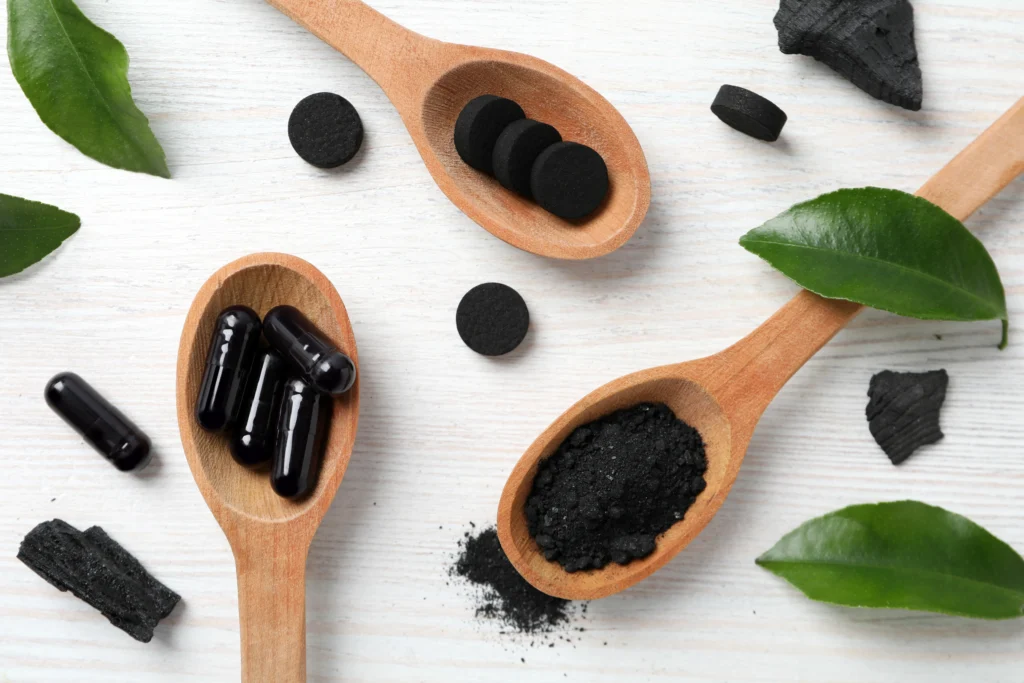
Activated charcoal is carbon that’s been treated with oxygen at extremely high temperatures. This process creates a porous structure with an enormous surface area, typically 1,000-3,000 square metres per gram. To put that in perspective, a single teaspoon of activated charcoal has more surface area than an entire football pitch.
Those microscopic pores give activated charcoal its unique ability to trap molecules through a process called adsorption (not absorption). Adsorption means molecules bind to the surface rather than being soaked up like a sponge. Gas molecules, particularly hydrogen, methane, and hydrogen sulphide (the rotten egg smell), stick to the charcoal’s porous surface as it travels through your digestive system.
The highest quality activated charcoal comes from coconut shells rather than wood or coal. Coconut-derived charcoal has a finer, more uniform pore structure that’s particularly effective at trapping smaller gas molecules. It’s also more sustainable and contains fewer impurities than alternatives.
Once activated charcoal binds to gas and toxins in your gut, they’re carried safely through your digestive system and eliminated naturally. The charcoal itself isn’t digested or absorbed, it simply passes through unchanged, taking the trapped compounds with it.
Does Activated Charcoal Actually Work for Bloating?
The evidence supporting activated charcoal for digestive discomfort is substantial. A double-blind clinical trial published in the American Journal of Gastroenterology tested activated charcoal on nearly 100 participants across two different populations with varying diets. Results showed significantly reduced breath hydrogen levels (a measure of intestinal gas) and “significantly reduced” bloating and abdominal discomfort compared to placebo.
What makes this particularly compelling is the speed of relief. Participants who took activated charcoal immediately after eating gas-producing foods experienced notably less gas within the first three hours compared to those who waited two hours before supplementing.
In 2011, EFSA (the European Food Safety Authority) reviewed the available evidence and approved the health claim that activated charcoal “contributes to reducing excessive flatulence after eating.” This approval requires exceptional scientific scrutiny and evidence, it’s not granted lightly.
Real-world feedback supports the research. Many people report noticeable relief within 30 minutes to an hour, particularly when taken at the right time relative to meals.
When to Take Activated Charcoal for Best Results
Before Potentially Problematic Meals
- Curry nights or spicy meals
- Beans, lentils, or legume-based dishes
- Cruciferous vegetables (broccoli, Brussels sprouts, cabbage)
- Dairy if you’re lactose sensitive
- High-FODMAP meals
Immediately After Eating
When Bloating Starts
Special Situations
- Travel: Take before flights or long car journeys to prevent uncomfortable bloating
- Social events: Use before meals out when you want to avoid digestive discomfort
- Work presentations: Take in the morning before important meetings where bloating would be distracting
- Sunday roast: Classic British bloat scenario, take 30-60 minutes before the meal
TIMING TIP
Take activated charcoal on an empty stomach or at least 2 hours after your last meal for non-preventive use. This ensures it doesn't interfere with nutrient absorption from food and works more effectively.
How Much Activated Charcoal Should You Take?
EFSA guidelines suggest at least 1 gram of activated charcoal is needed to see beneficial effects on flatulence. However, dosage depends on the situation:
For occasional bloating: 600mg-1g (1-2 capsules of 600mg) taken with meals
For persistent gas: 1-1.2g taken 30 minutes before problematic meals
For existing discomfort: 600mg-1.2g with a large glass of water
Nutrivolv’s 600mg capsules are classified as super strength, meaning you only need one capsule per serving for most situations. This higher concentration makes it more convenient and cost-effective than lower-dose alternatives requiring multiple capsules.
The maximum safe daily intake varies, but most guidance suggests not exceeding 3-4g daily for extended periods. For occasional use (a few times per week), standard dosages are considered safe for most adults.
DOSAGE TIP
Start with one 600mg capsule and see how your body responds. You can increase to two capsules (1.2g) for particularly gas-producing meals, but most people find one sufficient.
Activated Charcoal Benefits Beyond Bloating
Toxin Binding
Activated charcoal binds to various toxins and chemicals in the gut, preventing their absorption. This makes it useful for suspected food poisoning or when you’ve consumed something that disagrees with you. Hospitals use activated charcoal in emergency rooms for drug overdoses and poisoning, demonstrating its powerful binding capacity.
Reducing Stomach Discomfort
Supporting Gut Cleansing
Travel Digestive Support
Why Coconut-Derived Activated Charcoal Is Superior
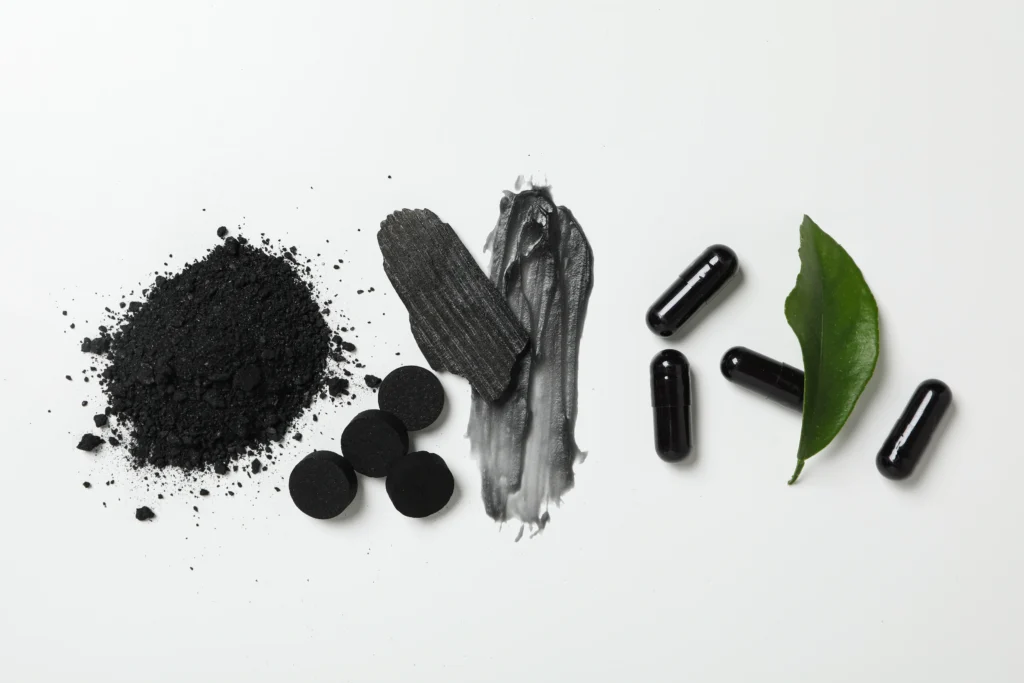
Not all activated charcoal is equal. The source material significantly affects quality, purity, and effectiveness.
Coconut shell charcoal has several advantages over alternatives:
Finer pore structure: Coconut husks produce a more uniform, microporous structure that’s particularly effective at trapping smaller molecules like gas.
Fewer impurities: Coconut-derived charcoal contains fewer contaminants compared to charcoal made from wood or coal, which can contain residual chemicals or heavy metals.
Sustainability: Coconut shells are a renewable byproduct of coconut production. Using them for activated charcoal is environmentally responsible and doesn’t require cutting down trees.
Higher activity level: The activation process works more effectively on coconut material, resulting in higher-quality charcoal with better adsorption capacity.
Nutrivolv’s Activated Charcoal 600mg uses premium coconut husks processed at optimal temperatures to ensure maximum pore development. This results in charcoal that’s both highly effective and safe for regular use.
Preventing Bloating: Long-Term Strategies
Whilst activated charcoal provides fast relief, addressing the root causes of bloating creates lasting improvement.
Identify Trigger Foods
Keep a food diary for two weeks, noting what you eat and when bloating occurs. Common culprits include:
- High-FODMAP foods (onions, garlic, certain fruits)
- Dairy (if lactose intolerant)
- Gluten (for sensitive individuals)
- Beans and legumes (high fibre content)
- Carbonated drinks (obvious gas source)
- Artificial sweeteners (particularly sorbitol and xylitol)
Eating Habits Matter
How you eat affects gas production as much as what you eat:
- Eat slowly and chew thoroughly (reduces swallowed air)
- Don’t talk extensively whilst eating (also reduces air swallowing)
- Avoid drinking through straws (introduces excess air)
- Don’t eat whilst stressed (affects digestion)
Support Your Gut Bacteria
Imbalanced gut bacteria often contribute to excessive gas and bloating. Probiotics help restore healthy bacterial balance, reducing gas production at the source.
Combining activated charcoal for immediate relief with probiotics for long-term gut health creates a comprehensive approach to digestive wellness.
Stay Hydrated
Proper hydration supports healthy digestion and helps prevent constipation, which can worsen bloating. Aim for 1.5-2 litres of water daily, more if you’re active.
PREVENTION TIP:
Take a probiotic daily and keep activated charcoal on hand for occasions when you know you'll eat gas-producing foods. This dual approach provides both immediate relief and long-term improvement.
Activated Charcoal Safety and Side Effects
Activated charcoal is generally safe for occasional use, but there are important considerations:
Common Side Effects
Black stools: Completely normal and harmless. The charcoal turns your stool black, which can be alarming if unexpected but indicates the charcoal is moving through your system.
Constipation: Some people experience constipation with regular charcoal use. Take it with plenty of water and don’t use it daily for extended periods unless advised by a healthcare professional.
Dehydration risk: Activated charcoal can worsen dehydration. Always take it with a full glass of water (250ml minimum).
Important Warnings
Medication interactions: Activated charcoal can bind to medications, reducing their effectiveness. Take any prescription medications at least 2-3 hours before or after activated charcoal. This includes:
- Contraceptive pills
- Blood pressure medications
- Thyroid medications
- Antidepressants
- Any other prescription drugs
Nutrient absorption: Regular daily use can interfere with vitamin and mineral absorption from food. Use activated charcoal strategically rather than as a daily supplement unless specifically advised otherwise.
Medical conditions: Don’t use activated charcoal if you have:
- Intestinal blockages or reduced gut motility
- Recent abdominal surgery
- History of gastrointestinal bleeding
- Difficulty swallowing
When to See Your GP
Occasional bloating is normal, but persistent or severe symptoms warrant medical attention. The NHS recommends seeing your GP if bloating:
- Persists for more than a few weeks
- Is accompanied by unexplained weight loss
- Causes severe pain
- Involves blood in your stool
- Comes with persistent changes in bowel habits
SAFETY TIP
Set a 3-hour gap between taking medication and activated charcoal. Use your phone calendar to track timing if needed. Always take charcoal with at least 250ml of water.
Real UK Scenarios: When Activated Charcoal Helps Most
The Sunday Roast Situation
You know a traditional roast dinner with Yorkshire puddings, roast potatoes, vegetables, and all the trimmings will leave you uncomfortably bloated. Take 1-2 capsules 30-60 minutes before sitting down to eat.
Curry Night with Mates
Indian takeaway is brilliant, but the combination of spices, garlic, onions, and potentially dairy can trigger significant bloating. Take activated charcoal just before or immediately after your meal.
Long-Haul Flight or Road Trip
Sitting for hours whilst bloated is miserable. Take charcoal before departure and consider another dose mid-journey if needed. The reduced mobility during travel worsens bloating, so prevention is key.
Important Work Presentation
The last thing you need during a big meeting is distracting digestive discomfort. Take charcoal with breakfast or mid-morning to ensure you’re comfortable throughout the day.
First Date or Social Event
When you want to feel confident and comfortable rather than bloated and self-conscious, charcoal taken before the meal provides peace of mind.
Festival or Outdoor Event
Questionable food hygiene, unusual meals, and limited facilities make activated charcoal a festival essential. It helps with both gas and potential mild food poisoning.
Why Nutrivolv Activated Charcoal 600mg Stands Out
Super Strength 600mg Dose
Many charcoal supplements provide 250-400mg per capsule, requiring you to take 2-3 capsules per serving. Nutrivolv’s 600mg concentration means one capsule delivers an effective dose, making it more convenient and better value.
Premium Coconut Source
Sourced from coconut husks rather than lower-quality wood or coal-based charcoal. This ensures superior pore structure, fewer impurities, and better effectiveness.
UK Manufacturing Standards
Made in the UK to GMP (Good Manufacturing Practice) standards, ensuring consistent quality, purity, and safety. Many imported charcoal supplements lack this level of quality control.
Third-Party Testing
Every batch undergoes rigorous testing to confirm purity, potency, and absence of contaminants. This quality assurance isn’t standard across all charcoal supplements.
Exceptional Value
At £4.79 for 60 capsules, you’re getting 60 servings of super-strength activated charcoal, working out to less than 8p per serving. Comparable products often cost 2-3 times more.
- Certifications That Matter
- Gluten-free
- Non-GMO
- Suitable for vegetarians
- No artificial additives or fillers
Making Activated Charcoal Part of Your Digestive Toolkit
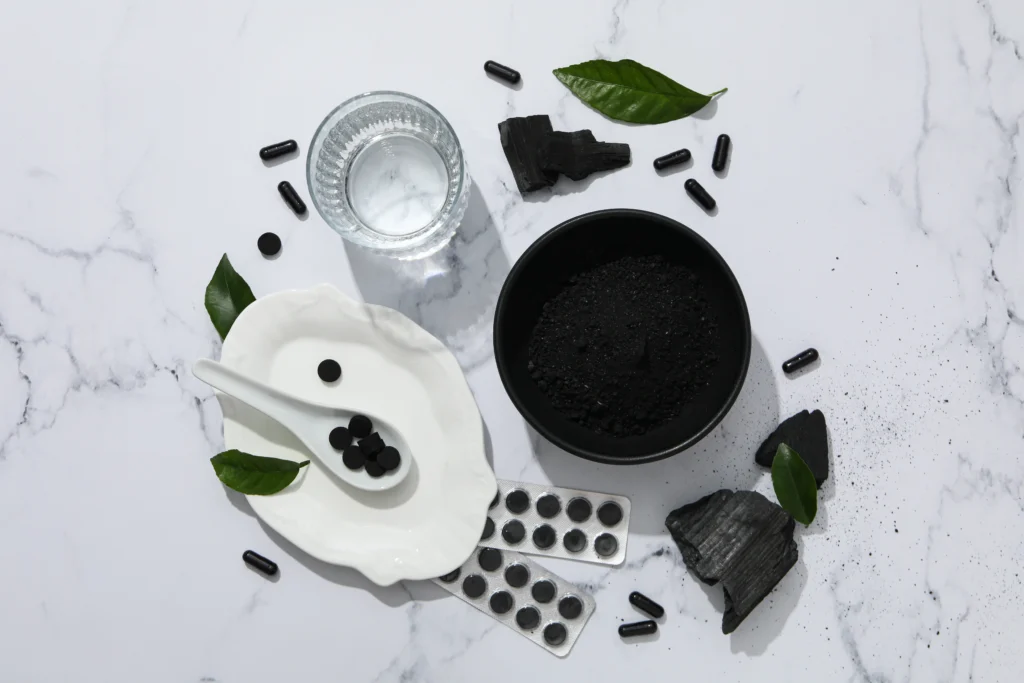
Think of activated charcoal as your emergency digestive relief option rather than a daily crutch. Keep it in your cupboard for situations when you need fast bloating relief:
- Before meals you know cause problems
- When travelling and eating unfamiliar foods
- For social occasions where comfort matters
- After accidentally eating trigger foods
- During periods of digestive upset
Combine it with longer-term solutions like identifying trigger foods, improving eating habits, and supporting gut health with probiotics. This approach provides both immediate relief when needed and lasting improvement over time.
The beauty of activated charcoal is its simplicity. One capsule, a glass of water, and 30-60 minutes before a meal. That’s all it takes to prevent the uncomfortable bloating that would otherwise ruin your evening.
For thousands of Brits dealing with regular bloating, activated charcoal has become an essential part of their digestive wellness routine. Not as a daily supplement, but as a trusted tool they reach for when they need it most.