WINTER SALE GET 10% OFF WITH VOUCHER CODE: WINTER10

Rated 'Excellent' on Trustpilot

BLOOD SUGAR CONTROL

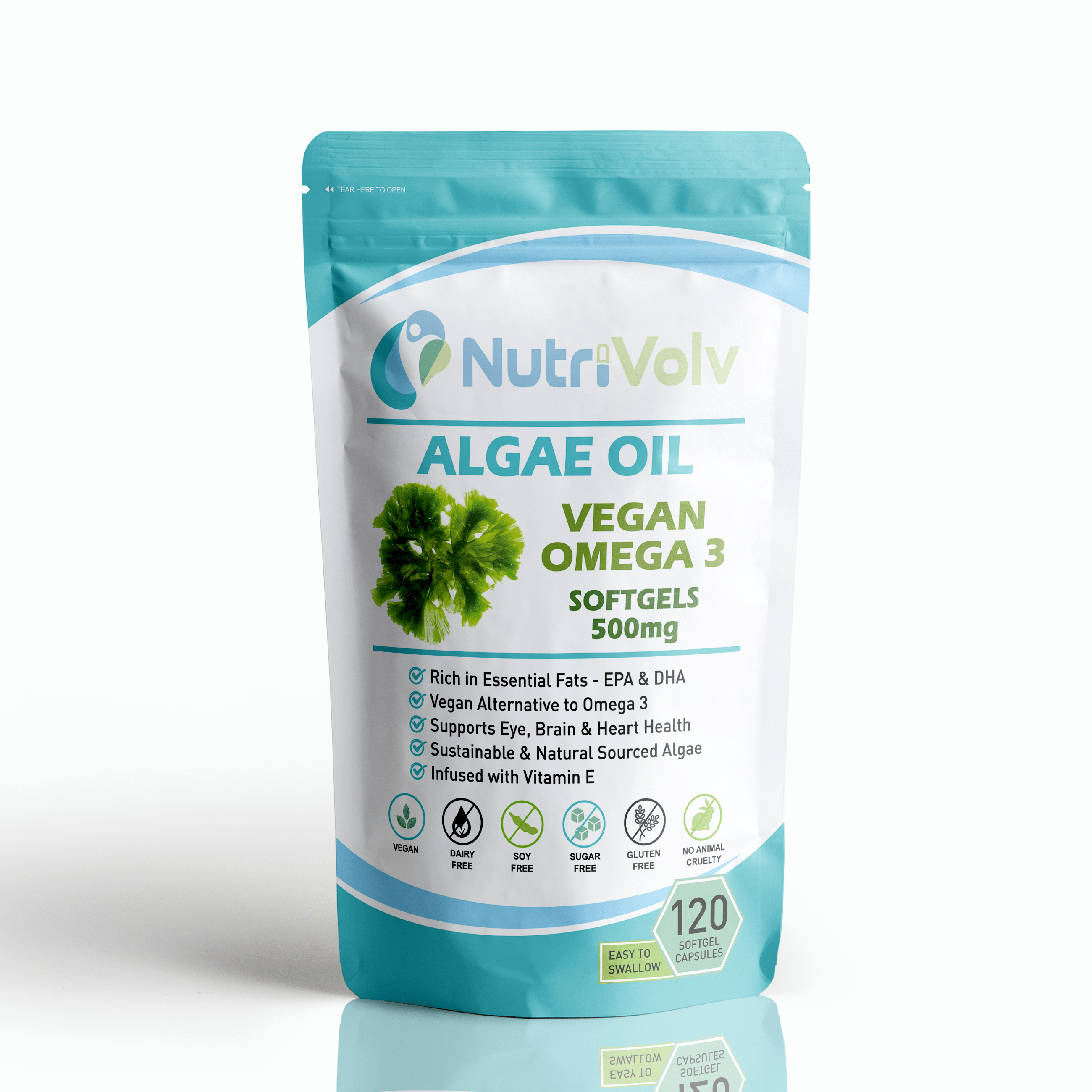
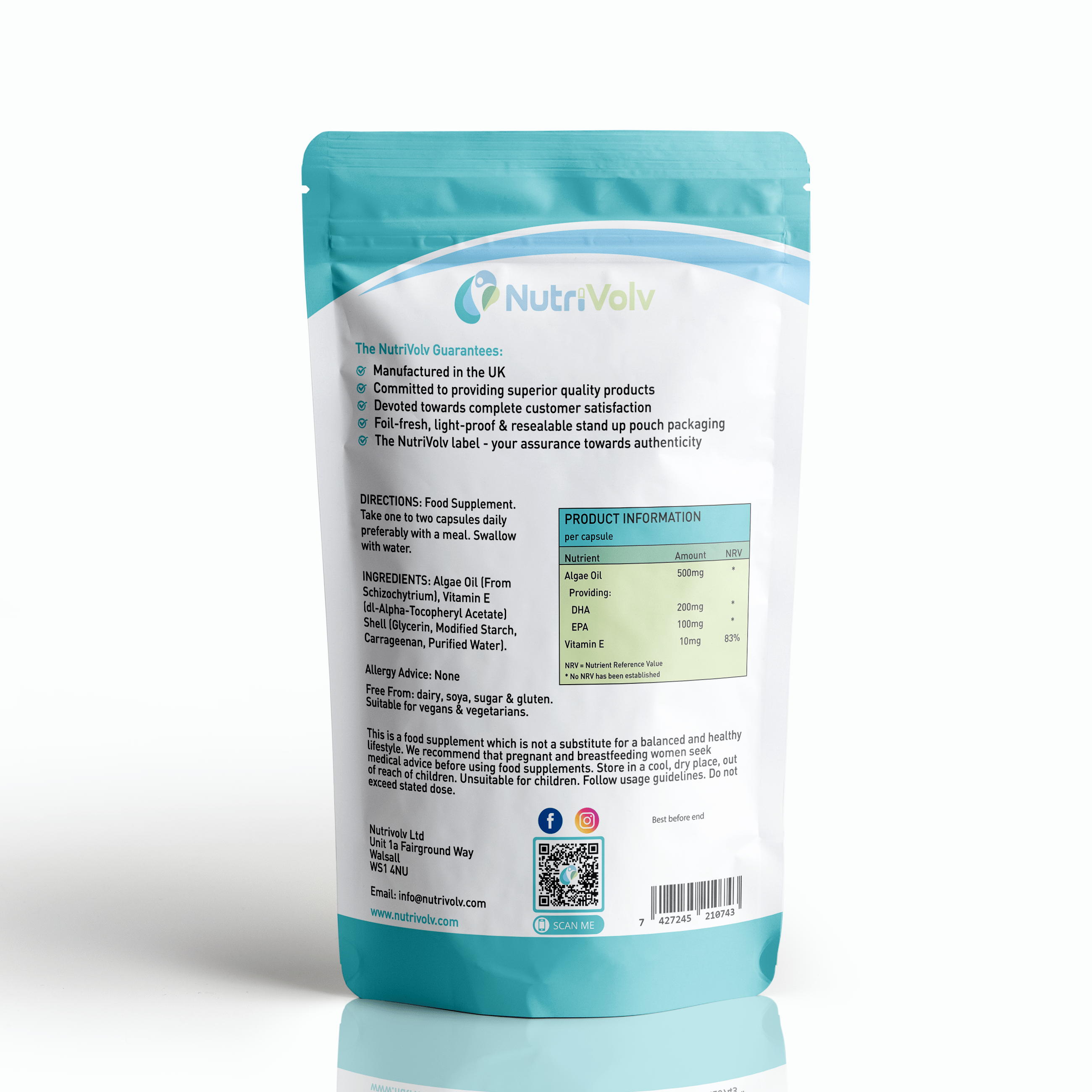
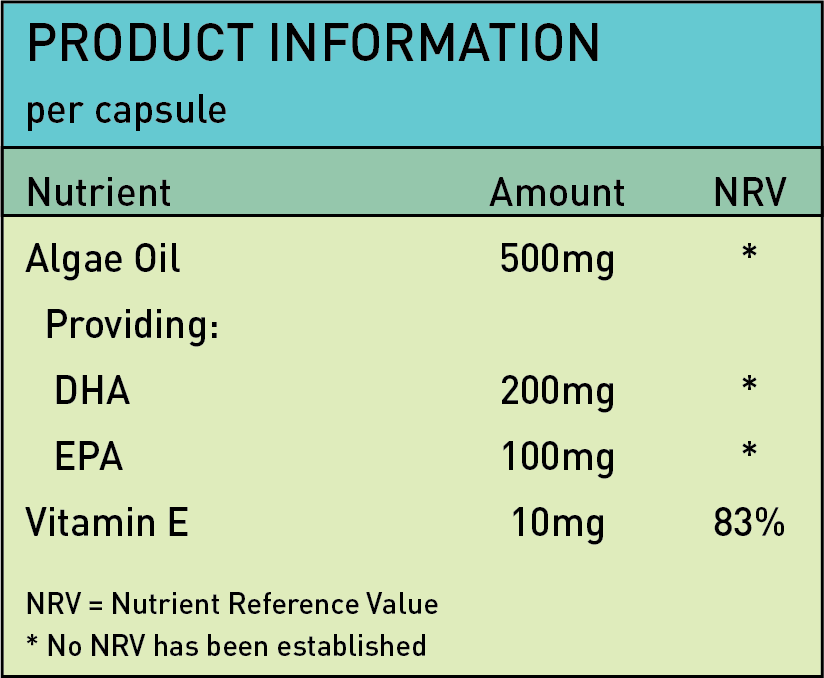
Vegan Omega 3 Algae Oil 500mg (120 Softgels)

Omega 3 is an essential fatty acid that supports the health of our brain, heart, eyes, joints and skin. It is considered an ‘essential’ fatty acid as it cannot be produced by our bodies, so must therefore be consumed through our diet.
  • Provides plant-based DHA and EPA
  • Supports brain function and cognitive health
  • Supports heart and cardiovascular health
  • Supports eye health and vision
  • Sustainable alternative to fish oil
  • Easy-to-swallow softgels
  • Ideal for vegans and vegetarians
£14.99

Gluten-Free

GMP

Non-GMO

Made in UK

Nutrivolv Omega 3 Algae Oil 500mg offers a clean, plant-based source of essential omega-3 fatty acids, including DHA and EPA. Sourced from sustainably grown algae, this supplement provides the same key benefits as traditional fish oil without the fishy aftertaste or environmental impact. Omega-3 fatty acids play a vital role in supporting brain function, heart health, and vision, making this supplement ideal for daily wellbeing. It is particularly suitable for vegans, vegetarians, or those looking for a more sustainable alternative. The easy-to-swallow softgels ensure convenient daily use. Manufactured in the UK to high-quality standards, this supplement supports long-term cognitive, cardiovascular, and overall health.

Frequently Asked Question

Yes, algae oil provides the same beneficial omega-3s without the fish. Both contain DHA and EPA, the active omega-3 fatty acids your brain and heart actually need. Fish get their omega-3 from eating algae, so algae oil goes straight to the source. The DHA and EPA in algae oil are chemically identical to fish oil, your body processes them the same way. Absorption rates are comparable, studies show algae oil raises omega-3 blood levels just as effectively as fish oil. The main difference is sustainability and purity. Algae oil avoids overfishing, ocean pollution, and the fishy aftertaste that makes people quit fish oil. It’s also free from mercury, PCBs, and other contaminants that accumulate in fish. For vegans and vegetarians, algae oil is the only proper omega-3 source because flaxseed and chia provide ALA, which your body converts to DHA and EPA extremely inefficiently. Most people convert less than 5% of ALA to usable omega-3, making plant sources nearly worthless for brain and heart health. Algae oil delivers DHA and EPA directly, no conversion needed. It works identically to fish oil for cognitive function, cardiovascular health, and eye protection.
Yes, DHA from algae oil genuinely supports brain function. Your brain is 60% fat, and DHA makes up a huge portion of that, especially in areas controlling memory and cognition. Low DHA levels are linked to cognitive decline, brain fog, and poor memory. Supplementing with algae oil maintains brain cell structure and communication between neurons. Studies show omega-3 supplementation improves memory, focus, and processing speed, particularly in people with low baseline intake. You won’t suddenly develop a photographic memory, but you’ll think more clearly and recall information faster after 8 to 12 weeks of consistent use. DHA also reduces brain inflammation, which contributes to age-related cognitive decline. If you’re vegan or rarely eat oily fish, you’re almost certainly DHA deficient and your brain function is suffering for it. Most people notice improved mental clarity and better concentration within 6 to 8 weeks as brain DHA levels normalise. The effect is gradual, not dramatic. You realise you’re reading faster, remembering names better, and staying focused longer. For older adults, omega-3 helps maintain cognitive function and may slow decline. Pregnancy and breastfeeding massively increase DHA needs for foetal brain development, making supplementation critical for vegans.
Algae oil wins massively, not even close. Flaxseed oil contains ALA, a plant-based omega-3 that your body converts to DHA and EPA at a pathetic rate, usually under 5%. This means eating flaxseed gives you almost no usable omega-3 for brain and heart health. Algae oil provides DHA and EPA directly, no conversion needed, so you actually get the omega-3 benefits. Think of it like this: flaxseed is the raw material your body tries to build DHA from, but the factory is rubbish and wastes 95% of it. Algae oil is the finished product your brain and heart need. For vegans trying to get omega-3, flaxseed is better than nothing but nowhere near adequate for proper brain function. You’d need litres of flaxseed oil daily to match the DHA from one algae oil capsule. Flaxseed has other benefits like fibre and lignans, so eat it for those reasons. But for omega-3, it’s useless. Algae oil delivers actual DHA and EPA that reach your brain cells and support cognitive function. If you’re vegan and relying on flaxseed for omega-3, you’re functionally deficient. Switch to algae oil for proper omega-3 status.
Take it with your largest meal of the day for best absorption. Omega-3 fats need dietary fat to absorb properly, so taking algae oil with a meal containing fat, like eggs, avocado, nuts, or olive oil, optimises uptake. For most people, that’s either breakfast or dinner. Morning works well if you eat a substantial breakfast, it fits easily into your routine and you won’t forget. Evening with dinner works equally well if that’s your biggest meal. Some people find omega-3 helps them sleep better because it reduces inflammation and supports nervous system function, making evening dosing potentially beneficial. But this varies person to person. The key is consistency and pairing with fat. Don’t take it on an empty stomach or with a fat-free meal, absorption drops massively. If you’re taking two softgels daily, split them between morning and evening meals for steady omega-3 levels throughout the day. Or take both with your biggest meal if splitting them feels complicated. Timing matters less than taking it with food and doing it daily. Pick a meal time that fits your routine and stick with it.
You’ll notice less eye dryness within 4 to 8 weeks of consistent use. Omega-3 fats reduce inflammation in tear glands and improve tear quality, making your eyes feel less scratchy and irritated. DHA concentrates in your retina, so supplementing supports both tear production and overall eye health. Most people report significant improvement by week 6, with eyes feeling more comfortable and less gritty throughout the day. If you work on screens all day or live in a dry climate, omega-3 helps counteract the chronic inflammation causing dry eye. The effect builds gradually as omega-3 incorporates into cell membranes. You won’t wake up one day with perfect eyes, but you’ll realise you’re blinking less, needing artificial tears less often, and your eyes feel more comfortable. For severe dry eye, combine algae oil with proper hydration and screen breaks for best results. If dryness persists after 8 weeks, see an optometrist because you might have blocked tear glands or another underlying issue. But for most people with mild to moderate dry eye from screen time or ageing, omega-3 makes a real difference.
Vegans absolutely need algae oil, skipping omega-3 is asking for health problems. Your brain, eyes, and heart require DHA and EPA to function properly. Plant foods contain zero DHA or EPA, only ALA which converts at under 5% efficiency. Without supplementation, vegans become severely DHA deficient within months to years, depending on stored levels. Deficiency causes brain fog, mood problems, poor memory, dry eyes, and increased cardiovascular risk. These aren’t minor issues, DHA deficiency genuinely damages your brain and nervous system. Pregnancy and breastfeeding make DHA critical for foetal brain development. Vegan mothers who don’t supplement risk their baby’s cognitive development. Studies show vegan children have lower DHA levels and cognitive test scores compared to omnivore children unless mothers supplement. That’s serious. Algae oil is the only vegan source of direct DHA and EPA. Flaxseed and walnuts provide useless ALA that barely converts. If you’re vegan for ethical or environmental reasons, algae oil aligns perfectly because it’s sustainable and cruelty-free. Don’t let ideology harm your health. Take algae oil daily, 500mg to 1000mg, to maintain proper brain function and prevent deficiency. It’s non-negotiable for long-term vegan health.
Yes, daily long-term algae oil use is safe and beneficial. Omega-3 fats are essential nutrients your body can’t produce, so you need consistent dietary or supplemental intake for life. Taking algae oil daily maintains healthy omega-3 levels that support brain function, heart health, and eye protection. There’s no tolerance or dependency issue, your body simply uses what it needs for cell membrane structure and anti-inflammatory processes. Long-term studies on omega-3 supplementation show no adverse effects from daily use over decades. The only minor concern is blood thinning at very high doses, usually above 3000mg daily. The 500mg algae oil dose is nowhere near that threshold. If you’re on blood thinners like warfarin, check with your GP, but for most people daily omega-3 causes no issues. Consistent supplementation beats sporadic use because omega-3 incorporates into cell membranes gradually, providing cumulative benefits over months and years. Think of it like vitamin D or B12, ongoing essential nutrition rather than a temporary fix. For vegans especially, lifelong algae oil supplementation is critical because dietary DHA sources don’t exist. Take it every day indefinitely without concern.
No, algae oil rarely causes fishy burps or aftertaste. This is one of its major advantages over fish oil. Fish oil burps happen because fish oil oxidises and breaks down in your stomach, releasing fishy-smelling compounds. Algae oil is fresher and more stable, so it doesn’t create that disgusting repeat. Most people tolerate algae oil without any fishy taste or smell. If you do get mild burps, it’s usually because you took it on an empty stomach. Taking algae oil with food prevents this. Some brands use flavourless softgel coatings that eliminate any potential taste entirely. The algae itself doesn’t smell or taste fishy because algae isn’t fish. Fish only have omega-3 because they eat algae, so algae oil is the cleaner original source. If you’ve quit fish oil in the past because of the aftertaste, algae oil solves that problem completely. No fishy breath, no burps, no disgust. Just clean omega-3 that works without the unpleasant side effects. This makes it easier to take consistently, which is what actually matters for health benefits. Compliance is huge with supplements, and algae oil’s lack of fishiness means people actually stick with it.
/** * Note: This file may contain artifacts of previous malicious infection. * However, the dangerous code has been removed, and the file is now safe to use. */